ByJohn A
Discovering the Elegance of Tasmanian Sparkling Wine
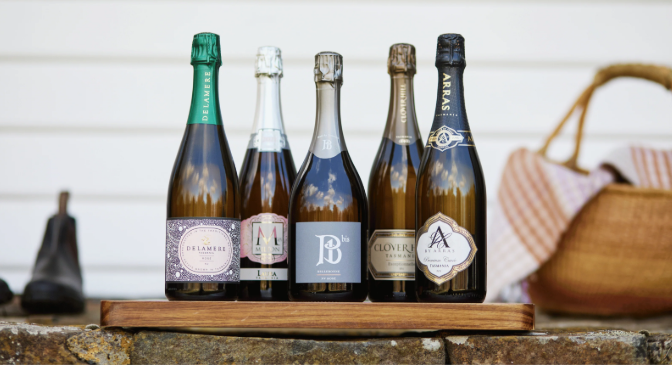
Wine enthusiasts across the globe increasingly appreciate the subtle refinement of sparkling wines from less traditional regions. Among these, Tasmanian sparkling wine has emerged as a prominent contender on the international stage. This article explores the distinct characteristics, production methods, and unique terroir that define tasmanian sparkling wine, providing insights into its growing reputation and appeal.
Introduction to Tasmanian Sparkling Wine
Tasmania, an island state of Australia, has become renowned for producing high-quality sparkling wines. The cool climate and pristine environment create ideal conditions for cultivating grapes suited to traditional sparkling wine techniques. Unlike other Australian wine regions that mainly focus on still wines, Tasmania’s climate is better aligned with the production of crisp, fine, and elegant sparkling varieties.
The Climatic Advantage of Tasmania
The cool maritime climate of Tasmania provides an extended growing season. This slower ripening process allows grapes to retain high acidity levels and develop complex aromatic profiles, essential components for premium sparkling wine. Lower temperatures and consistent rainfall reduce the necessity for artificial irrigation or chemical interventions, supporting sustainable viticulture practices.
See also: How To Find A Modern Condo That Matches Your Lifestyle And Budget
Soil and Terroir Influence
The island offers varied soil types, from rich volcanic loam to sandy loam, contributing to the nuanced characteristics of the grape varieties grown. These factors influence the minerality and overall texture of the resulting sparkling wines. The unique terroir elements help distinguish Tasmanian sparkling wines from counterparts in mainland Australia and other global regions.
Viticulture Practices in Tasmania
Viticulturists in Tasmania employ rigorous standards in managing vineyards to optimise grape quality specifically for sparkling production. Careful canopy management ensures optimal sunlight exposure and airflow, factors critical to achieve uniform ripening and prevent fungal diseases. As a result, grapes harvested for Tasmania’s sparkling wines often demonstrate excellent balance in acidity and sugar levels.
Grape Varieties Utilised
Leading sparkling producers in Tasmania predominantly cultivate Chardonnay and Pinot Noir. These traditional Champagne varieties are well adapted to the island’s climate and contribute to the structure and finesse of the finished wines. Occasionally, Pinot Meunier and other less common varieties are also incorporated to add complexity.
Harvest Timing and Its Significance
The timing of the harvest plays a crucial role in defining the final style of Tasmanian sparkling wines. Grapes are typically picked earlier than those destined for still wines to preserve acidity. This early harvesting ensures the sparkling wine maintains fresh, vibrant characteristics with delicate fruit flavours and a graceful balance.
Traditional Production Methods
Tasmanian producers largely adhere to the traditional method, also known as méthode traditionnelle, which involves a secondary fermentation in the bottle. This process is labour-intensive but fundamental for achieving the fine bubbles and complex flavours expected of premium sparkling wines. The bottle fermentation and extended ageing on lees contribute to creamy textures and autolytic notes reminiscent of esteemed Champagne wines.
Ageing and Maturation
The length of time Tasmanian sparkling wines mature on lees varies depending on the house style but commonly ranges from 18 to 36 months. Extended lees contact enhances mouthfeel and introduces subtle nuances such as brioche, toast, and nuttiness. This maturation period distinguishes Tasmanian sparkling wines by providing an elegant depth while retaining freshness.
Disgorgement and Dosage
At the disgorgement stage, the yeast sediment is removed, and a dosage—a mixture of sugar and wine—is added to adjust the sweetness level. Tasmanian producers often favour lower dosage, resulting in drier sparkling wines that showcase purity and mineral-driven character. This approach appeals to drinkers seeking refined and less overtly sweet bubbles.
The Sensory Profile of Tasmanian Sparkling
Tasmanian sparkling wines typically present a light to medium body with a vibrant acidity profile. Aromas frequently include citrus, green apple, pear, and stone fruit complemented by subtle floral and mineral undertones. The palate is expressive yet restrained, displaying fine, persistent bubbles and a crisp finish. This combination of freshness, complexity, and elegance makes Tasmanian sparkling suitable for various food pairings and occasions.
Food Pairings
Due to their balance and acidity, these sparkling wines complement a broad range of dishes. They pair well with fresh seafood, subtle cheeses, light poultry dishes, and even Asian cuisine. Their versatility on the table reinforces the appeal of Tasmanian sparkling wines as both celebratory and everyday drinking options.
International Recognition and Awards
In recent years, Tasmanian sparkling wines have garnered critical acclaim at prestigious wine competitions and from respected wine critics. This recognition underscores the quality and consistency achieved by local producers, boosting the profile of Tasmania as a credible sparkling wine region on the world stage.
Sustainability and Innovation in Tasmanian Sparkling
Many producers prioritise sustainability, implementing organic and biodynamic practices to support environmental health and long-term vineyard viability. Innovation in winemaking techniques also ensures Tasmania remains competitive, with experimentation around ageing methods, grape blending, and alternative closures actively pursued.
The Role of Jansz Tasmania
Jansz is a notable producer embodying the qualities that define Tasmanian sparkling wines. With a history rooted in traditional methods and a commitment to excellence, Jansz exemplifies the craftsmanship and elegance associated with the region. Exploring their range offers valuable insight into the style and character typical of Tasmanian sparkling.
Consumer Trends and Market Outlook
Interest in sparkling wines continues to grow globally, driven by the desire for diverse and premium wines. Tasmanian sparkling producers are well positioned to meet this trend, with expanding exports and increasing domestic consumption. The ongoing focus on quality and terroir expression is likely to enhance the market stature of these wines.
Conclusion
Tasmanian sparkling wine represents a convergence of ideal climate, skilled viticulture, traditional production techniques, and a commitment to quality. Its distinctive elegance, freshness, and complexity have established it as a respected category within the sparkling wine market. For consumers seeking refined sparkling wines beyond the classic Champagne route, Tasmanian sparkling offers a compelling and rewarding option.