ByJohn A
Understanding Currency Exchange and Money Transfers in Phuket
Introduction
Phuket is one of Thailand’s most popular destinations for international travelers, attracting millions of visitors with its beaches, resorts, restaurants, nightlife, and cultural attractions. For tourists arriving from different countries, managing money efficiently is an important part of enjoying the trip. Understanding Thai baht exchange rates, choosing the right currency exchange service, and knowing how international money transfers work can help travelers avoid unnecessary costs.
Whether you are visiting Phuket for a short holiday, staying for several months, or living in Thailand, knowing how currency conversion works can make everyday financial decisions easier. Exchange rates can change throughout the day, while fees and service charges can vary significantly between providers. Taking a few minutes to compare your options can therefore make a noticeable difference to your travel budget.
Choosing a Reliable Currency Exchange Service in Phuket
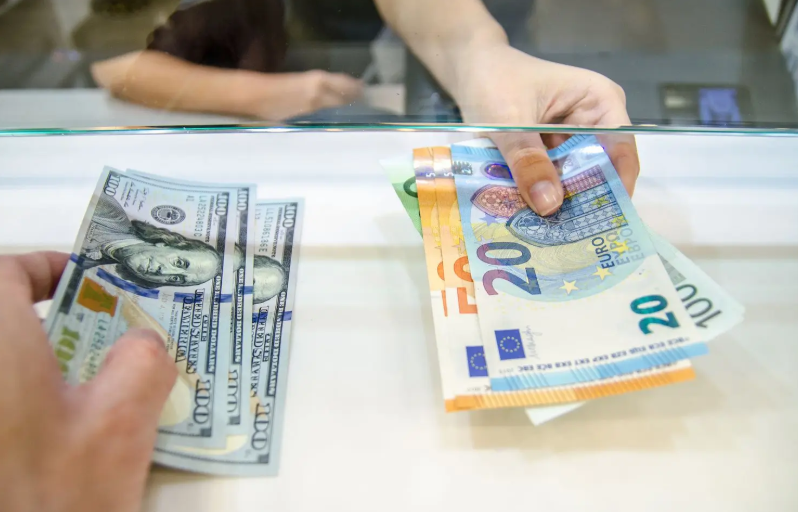
For visitors who need to convert foreign currency into Thai baht, finding Reliable money exchange in Phuket for tourists can make the process more convenient and transparent. Tourists should look for exchange services that clearly display their buying and selling rates, explain any applicable fees, and provide receipts for transactions.
It is useful to compare rates at several authorized exchange providers rather than exchanging a large amount of money at the first location you find. Airport exchange counters can be convenient immediately after arrival, but their rates may not always be as competitive as those available in other parts of Phuket.
Tourists should also carry identification when required and check the amount of Thai baht received before leaving the counter. Keeping the transaction receipt can be helpful if a question arises later.
Understanding Thai Baht Exchange Rates
The Thai baht, represented by THB, is Thailand’s official currency. Its value against currencies such as the US dollar, British pound, euro, Australian dollar, and Singapore dollar changes according to conditions in the international foreign exchange market.
When checking an exchange rate, it is important to understand the difference between the market rate and the rate offered by a currency exchange provider. The market rate provides a general reference, while an exchange service may offer a slightly different rate because of operating costs, margins, and market conditions.
For example, if the international market indicates a particular value for one US dollar in Thai baht, a physical exchange counter may offer a somewhat different amount. The difference between these figures can become significant when exchanging larger sums.
Travelers should therefore look at the final amount they will receive rather than focusing only on an advertised headline rate.
See also: How To Find A Modern Condo That Matches Your Lifestyle And Budget
Cash or Card, Which Is Better in Phuket?
Thailand has a well established payment infrastructure, and cards are accepted at many hotels, shopping centers, restaurants, and larger businesses. However, cash remains useful, particularly when visiting local markets, small restaurants, street food vendors, transportation providers, and smaller shops.
A practical approach is to carry a reasonable amount of Thai baht while keeping a card available for larger purchases or emergencies. Travelers should avoid carrying excessive amounts of cash and should keep their money in secure places.
When paying by card, travelers may sometimes be asked whether they want to pay in their home currency or Thai baht. This is known as dynamic currency conversion. In many situations, choosing to pay in Thai baht allows the card issuer to handle the currency conversion instead of accepting a potentially less favorable conversion offered by the merchant.
International Money Transfers to Thailand
International money transfers can be useful for people who live in Thailand, support family members, operate businesses, or need to move funds from an overseas bank account. Transfer providers generally consider factors such as the exchange rate, transfer fee, delivery time, payment method, and receiving method.
Before sending money, compare the total cost rather than looking only at the advertised transfer fee. A provider with a low upfront fee may offer a less favorable exchange rate, resulting in a higher overall cost.
The sender should also make sure that the recipient’s name, account information, and other required details are entered correctly. Errors can delay a transfer or create additional complications.
For larger international transfers, it is particularly important to understand the provider’s verification requirements and any applicable limits. Banks and regulated financial services may request information about the sender, recipient, and purpose of the transaction.
How to Get Better Value When Exchanging Money
Several simple habits can help travelers make better currency exchange decisions.
First, check current exchange rates before exchanging money. This gives you a useful reference point when comparing providers.
Second, compare the actual amount of baht you will receive after fees. A provider offering a seemingly attractive rate may have additional charges.
Third, avoid exchanging more money than you need immediately. Keeping a large amount of cash can create security concerns, and you may lose value if you later need to convert unused baht back into your home currency.
Fourth, consider exchanging money in stages. This can be useful during longer trips because exchange rates fluctuate, although no strategy can guarantee a better future rate.
Finally, use authorized and reputable financial services. Extremely attractive rates offered through unofficial channels can carry unnecessary financial and security risks.
Common Currency Exchange Mistakes Travelers Should Avoid
One common mistake is exchanging all travel funds at the airport without comparing alternatives. Convenience is valuable after a long flight, but travelers may find better rates elsewhere.
Another mistake is ignoring fees. The advertised exchange rate does not always represent the final cost of a transaction.
Some travelers also forget to check the cash they receive. Counting the money at the exchange counter provides an opportunity to resolve discrepancies immediately.
Using unofficial money changers is another risk. Travelers should prioritize regulated and established providers and avoid transactions that seem suspicious or unusually favorable.
It is also important not to assume that every ATM or card transaction has the same cost. Foreign transaction fees, ATM charges, and currency conversion policies can vary depending on the financial institution and card.
Currency Planning for Long Term Stays in Thailand
People staying in Phuket for several months may need a different approach from short term tourists. Long term residents often have recurring expenses such as accommodation, utilities, transportation, insurance, and other household costs.
Maintaining access to both Thai baht and an international payment method can provide flexibility. For regular international transfers, comparing providers periodically is worthwhile because rates, fees, and transfer conditions can change.
Keeping records of significant transfers and exchange transactions is also a good financial practice. Depending on the amount and purpose of a transfer, banks or financial institutions may have additional documentation or compliance requirements.
Conclusion
Managing foreign currency effectively can help travelers and residents make their money go further in Phuket. Understanding Thai baht exchange rates, comparing currency exchange providers, checking fees, and choosing appropriate international transfer services are all important steps toward better financial planning. Whether you need Reliable money exchange in Phuket for tourists during a short vacation or regular currency services for a longer stay, taking time to compare your options can help you avoid unnecessary costs and enjoy greater confidence when managing money in Thailand.