ByJohn A
10 Things to Consider Before Buying a New Door
Buying a new door may seem like a simple home improvement project, but the right choice can affect your home’s security, energy efficiency, appearance, comfort, and value. A door is not just an entry point. It contributes to the overall character of a property while protecting the interior from weather, noise, and unwanted access. With so many materials, styles, sizes, and features available, it is important to consider several factors before making a purchase.
Whether you are replacing an old entrance or choosing a door for a new home, taking time to compare your options can help you make a practical and attractive choice. Here are ten important things to consider before buying a new door.
1. Measure the Door Opening Carefully
One of the first things to consider is the size of the existing opening. Even a high-quality door will not work properly if it does not fit the frame correctly. Measure the height, width, and thickness of the opening carefully.
You should also check whether the opening is square and whether the existing frame is in good condition. If the measurements are inaccurate, installation may become more difficult and could result in gaps around the door.
For replacement projects, professional measurements can be helpful, especially when the existing frame is old or unusual in size. Accurate measurements can prevent unnecessary modifications and additional costs.
2. Choose the Right Material
Doors are available in a variety of materials, including wood, fiberglass, steel, aluminum, and composite materials. Each option has different benefits.
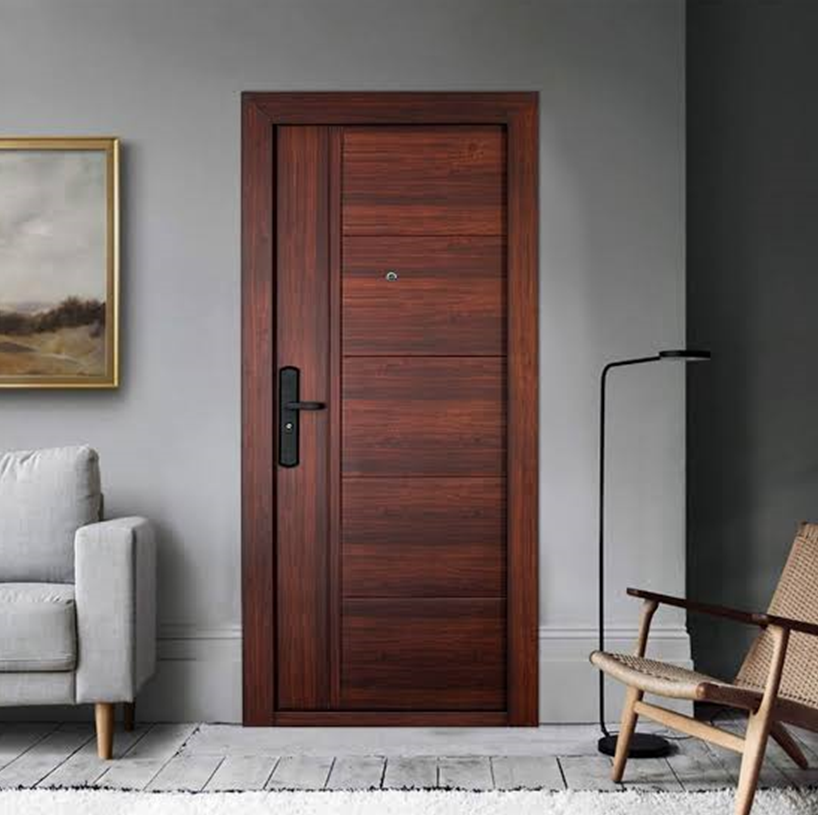
Wood doors are popular because they offer a natural and traditional appearance. They can also be customized with different stains, paints, and designs. However, wood may require more maintenance to protect it from moisture and changing weather conditions.
Fiberglass doors can provide good durability and resistance to moisture. Steel doors are often selected for their strength and security. Aluminum can be lightweight and resistant to corrosion, while composite options may combine several desirable characteristics.
Consider the climate, maintenance requirements, appearance, and intended location before selecting a material.
3. Consider Your Home’s Style
A new door should complement the architectural style of your home. The entrance is often one of the first features visitors notice, so its design can have a significant effect on curb appeal.
Traditional homes may look suitable with paneled or decorative wooden designs, while modern properties may benefit from simple doors with clean lines and large glass sections. You can also choose from different colors, finishes, hardware styles, and decorative glass options.
Think about how the door will look alongside your walls, windows, roof, and other exterior features. A well-matched design can make the entire property appear more coordinated.
4. Think About Security
Security should be an important consideration when choosing an exterior door. The main entrance provides access to your home, so you want a product that is strong and capable of supporting reliable locking hardware.
Look for sturdy construction and high-quality hinges, frames, and locks. The strength of the frame is just as important as the door itself because a strong door may provide limited protection if the surrounding frame is weak.
If you are also considering a garage door replacement or upgrade, remember that garage doors require regular inspection of their springs, tracks, rollers, and opening mechanisms. Homeowners who experience problems with an existing garage door may also need to look into professional garage door repair Independence services to ensure the system operates safely and reliably.
5. Check Energy Efficiency
An energy-efficient door can help maintain a comfortable indoor temperature and reduce unnecessary heat transfer. This can be especially important in areas with very hot summers, cold winters, or frequent temperature changes.
Look for doors with suitable insulation, weatherstripping, and energy-efficient glass if the design includes windows. A properly installed door should form a good seal around the frame.
Gaps or poorly fitted weatherstripping can allow outside air to enter and conditioned air to escape. Choosing an efficient door and ensuring professional installation can help improve indoor comfort and potentially reduce energy consumption.
See also: How To Find A Modern Condo That Matches Your Lifestyle And Budget
6. Decide on the Amount of Natural Light
Some homeowners prefer solid doors for privacy and security, while others want additional natural light in an entryway. If you want more sunlight, consider a door with glass panels or decorative glazing.
There are many glass options available, including frosted, textured, tinted, and clear designs. Privacy glass can allow light into the home while limiting visibility from outside.
Think about where the door faces and how much direct sunlight it receives. The right glass design can improve the appearance of an entrance while making the area feel brighter.
7. Consider Maintenance Requirements
Different door materials require different levels of care. Before buying, think about how much time and effort you are willing to spend maintaining the door.
Some wooden doors may need periodic refinishing or repainting, particularly when exposed to harsh weather. Fiberglass and steel options may require less maintenance, although their finishes can still need occasional cleaning and inspection.
Ask about cleaning requirements, finish durability, resistance to moisture, and how easily the surface can be repaired. Choosing a low-maintenance option may be worthwhile for busy households.
8. Compare the Total Cost
The purchase price is only one part of the total cost of installing a new door. You should also consider the frame, hardware, glass, finishing, delivery, removal of the old door, and installation.
A cheaper door may appear attractive initially but could require more maintenance or have a shorter lifespan. On the other hand, a more expensive option may offer better durability, insulation, security, or warranty coverage.
Set a realistic budget before shopping and compare products based on their overall value rather than simply choosing the lowest price.
9. Check the Hardware and Accessories
Handles, locks, hinges, door closers, knockers, and other hardware can affect both appearance and functionality. Hardware should be compatible with the door and suitable for its intended use.
For an exterior entrance, choose hardware that can withstand frequent use and local weather conditions. You should also consider whether you want traditional keys, smart locks, or another locking system.
The style and finish of the hardware should complement the door. Small details can make a noticeable difference to the finished appearance.
10. Review Installation and Warranty Options
Even the best door can perform poorly if it is installed incorrectly. A professional installation can help ensure that the door opens and closes properly, remains properly aligned, and forms an effective seal.
Before purchasing, ask whether installation is included and whether the installer has experience with the specific type of door you are considering. You should also review the manufacturer’s warranty.
Check what the warranty covers, how long it lasts, and whether it applies to the door, glass, hardware, finish, or installation. Understanding these details can help you avoid unexpected expenses later.
Make an Informed Choice
Choosing a new door involves more than selecting an attractive design. You need to consider measurements, material, security, energy efficiency, maintenance, cost, hardware, and installation. The right choice will depend on your home’s design, local climate, budget, and personal preferences.
Before making your final decision, compare several options and ask questions about durability, maintenance, warranty coverage, and installation. A carefully selected door can improve the appearance of your home while providing reliable performance for many years.
Taking the time to evaluate these ten factors can make the buying process easier and help you select a door that fits your home, lifestyle, and long-term needs.