ByJohn A
The Ultimate Guide to Custom Mechanical Keyboards
Mechanical keyboards have gained substantial popularity among typists, gamers, and technology enthusiasts for their durability, tactile feedback, and customisability. Unlike traditional rubber dome keyboards, mechanical keyboards use individual mechanical switches beneath each key, offering improved performance and longevity. For those who seek a tailored typing experience, a custom mechanical keyboard provides an opportunity to choose components that suit their preferences perfectly.
What Is a Custom Mechanical Keyboard?
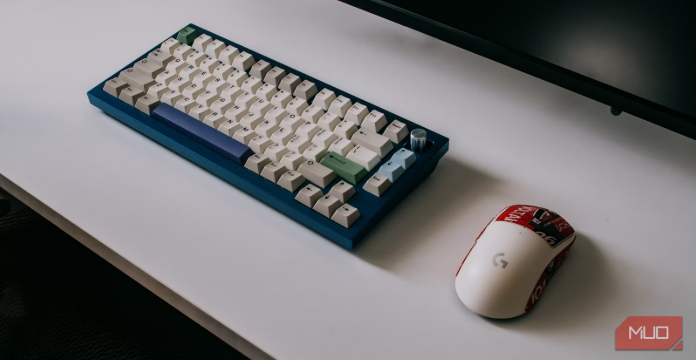
A custom mechanical keyboard refers to a keyboard assembled from individually selected parts rather than a pre-built, off-the-shelf device. Users can pick the case, switches, keycaps, stabilisers, and often even the printed circuit board (PCB) and plate. This level of flexibility allows for optimisation of the keyboard’s aesthetic appeal, typing sound, and feel. Custom builds cater to both novice users interested in exploring the hobby and experienced enthusiasts seeking a high-performance keyboard.
Why Choose a Custom Mechanical Keyboard?
The benefits of choosing a customised build extend beyond the simple act of typing. First and foremost is the enhanced user experience by tailoring each component. Mechanical switches differ widely in terms of actuation force, noise level, and feedback type. Keycaps can be selected for profile, material, and print method. Furthermore, enthusiasts enjoy the satisfaction of self-assembling their keyboard, creating a unique tool aligned with personal tastes.
Additionally, custom keyboards often boast superior build quality. Mass-produced models might rely on cheaper materials, whereas custom options typically use aluminium cases, PBT keycaps, and quality stabilisers, resulting in durability and a premium feel.
See also: How To Find A Modern Condo That Matches Your Lifestyle And Budget
Components of a Custom Mechanical Keyboard
Understanding the parts involved is vital when assembling a custom mechanical keyboard. The primary components include the case, PCB, plate, switches, stabilisers, and keycaps.
Case
The case houses all other components and greatly affects the typing acoustics and keyboard appearance. Materials range from plastic and aluminium to wood or acrylic. Weight and design impact stability and aesthetics.
PCB (Printed Circuit Board)
The PCB constitutes the electronic core of the keyboard. It registers key presses from the switches and communicates with the computer. Some PCBs support hot-swappable switches, allowing users to change switches without soldering.
Plate
The plate is a metal or plastic bracket securing the switches above the PCB. It provides rigidity and influences typing feedback and sound profile.
Switches
Mechanical switches are the core tactile component, each consisting of a housing, spring, and stem. They vary in actuation force, sound, and feedback type (clicky, tactile, or linear). Popular switch manufacturers include Cherry MX, Gateron, and Kailh.
Stabilisers
Stabilisers ensure larger keys like the spacebar, enter, and shift maintain balance and smooth operation without wobble. Their quality impacts both keystroke feel and noise.
Keycaps
Keycaps form the visible, tactile surface of keys. They come in different materials such as ABS and PBT, various profiles including OEM, Cherry, and SA, and myriad colourways and legends. The choice influences ergonomics, durability, and aesthetics.
How to Build a Custom Mechanical Keyboard
Building a custom mechanical keyboard requires a methodical approach:
- Research and select desired components aligned with typing preferences and budget.
- Gather tools including screwdrivers, a soldering iron (if required), lubricants, and stabiliser clips.
- Assemble stabilisers on the PCB and plate, ensuring proper fit and noise reduction through lubrication.
- Install switches onto the plate and PCB. Hot-swappable PCBs simplify this step by not requiring soldering.
- Mount the assembled PCB and plate into the case securely.
- Attach keycaps according to layout preferences.
- Test every key for proper function with keyboard testing software.
Though initially technical, many tutorials and community forums are available to assist new builders. The sensing gain and satisfaction are significant for those completing their first project.
Popular Layouts and Sizes
Custom mechanical keyboards come in various sizes and layouts, offering compactness or extensive functionality. Common layouts include:
- Full-size (104/105 keys): Includes all standard keys plus a numpad.
- Tenkeyless (TKL): Omits the numpad, saving desk space.
- 75%: Compact layout retaining function row and arrow keys.
- 65% and 60%: More compact, eliminating function rows and some navigation keys.
Choosing a layout depends on individual needs, work tasks, and space constraints.
Custom Mechanical Keyboards in Gaming and Work
Gamers value custom keyboards for their precise actuation and response, providing a competitive edge. Gaming-oriented switches usually favour linear or tactile types for faster input. Conversely, office environments benefit from quieter switches and ergonomic designs to reduce fatigue during prolonged use.
Custom keyboards can also be programmed for macro keys and custom layouts, enhancing productivity for specialised tasks such as video editing or coding.
Maintenance and Longevity
An advantage of custom mechanical keyboards is their serviceability. Switches and keycaps can be replaced individually, extending the keyboard’s lifespan. Regular cleaning and lubricating stabilisers and switches improve performance and sound quality.
Users should keep the keyboard free from dust and debris. Keycaps can be removed for thorough cleaning. Custom keyboards typically have a longer lifespan than rubber dome counterparts due to superior build quality and materials.
Community and Resources
The mechanical keyboard hobby boasts a vibrant global community. Enthusiasts share knowledge on forums, social media, and dedicated websites. Builders showcase unique designs and collaborate on projects. Numerous online stores specialise in offering parts for custom mechanical keyboard kits, enabling newcomers to begin their journey.
Conclusion
For those seeking a personalised typing experience, investing in a custom mechanical keyboard combines performance, aesthetics, and personal satisfaction. By understanding the components and assembling their own device, users achieve an optimised tool that meets specific needs. Whether for gaming, professional work, or everyday typing, a custom mechanical keyboard embodies a high-quality, durable, and enjoyable input method that stands out in the crowded keyboard market.