
Understanding the Importance of Controlled Seed Drying
Seed quality plays an essential role in agricultural productivity, crop development, and long-term preservation. Maintaining the right moisture content is particularly important because excessive moisture can accelerate deterioration, encourage fungal growth, and reduce the viability of seeds during storage. Therefore, agricultural processing facilities, research institutions, and seed manufacturers require reliable drying solutions that maintain consistent conditions without exposing seeds to excessive heat.
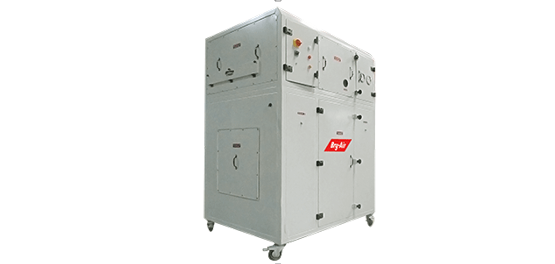
Traditional drying methods may involve elevated temperatures or uncontrolled environmental conditions, which can negatively affect seed quality. Advanced drying technology provides a more controlled approach by regulating airflow, humidity, and temperature throughout the process. An industrial tray dryer uses desiccant dehumidification technology to deliver low-humidity air, supporting effective moisture removal while helping preserve the physical and biological properties of temperature-sensitive materials.
Understanding how modern drying systems operate can help agricultural businesses select suitable equipment for their processing and preservation requirements.
Why Is Moisture Control Essential for Seed Preservation?
The Relationship Between Moisture Content and Seed Viability
Seed moisture content directly influences storage stability and the rate of deterioration. Seeds containing excessive moisture may experience increased metabolic activity, making them more vulnerable to ageing and microbial development. These conditions can gradually reduce their ability to germinate successfully.
Maintaining an appropriate moisture level helps slow down deterioration and supports longer storage periods. However, the required moisture content varies depending on seed type, composition, initial moisture level, and intended storage conditions. Therefore, drying parameters should be determined according to the characteristics of the material rather than applying one standard temperature or moisture target to every seed variety.
Preventing Heat-Related Quality Loss
Temperature management is another important consideration in seed drying. Excessive heat can damage delicate biological structures, affect germination potential, and compromise the overall quality of the harvested material.
A controlled drying environment helps address this concern by using appropriately conditioned air rather than relying entirely on high-temperature heating. Low-temperature drying supports gradual moisture removal while reducing the risk of thermal damage. This approach is particularly valuable when processing seeds intended for commercial distribution, agricultural planting, and research purposes.
How Does Desiccant Dehumidification Technology Work?
Understanding the Moisture Removal Process
Desiccant dehumidification works by removing water vapour from the air through adsorption. The system uses specialised desiccant material that attracts and retains moisture, producing dry air that can be circulated through a drying chamber.
When this conditioned air comes into contact with moisture-containing seeds, a difference in water vapour pressure encourages moisture to move from the product into the surrounding air. The process continues as dry air circulates through the chamber and carries away the released moisture.
Unlike conventional drying approaches that depend heavily on increasing air temperature, desiccant-based systems improve the drying potential of air by reducing its moisture content. This makes humidity control an important part of achieving consistent drying conditions.
See also: Enhancing Quality of Life with Professional Support at Home
Maintaining Consistent Airflow Inside the Drying Chamber
Air distribution has a significant influence on drying performance. If airflow is uneven, some materials may dry faster than others, resulting in inconsistent moisture levels across a batch.
Modern industrial drying systems address this challenge through engineered air circulation arrangements. A drying chamber equipped with multiple trays allows materials to be positioned systematically while conditioned air moves through the designated airflow paths.
Continuous circulation helps maintain more uniform drying conditions and supports predictable moisture removal. Proper chamber loading, tray arrangement, and airflow management are therefore essential considerations when evaluating industrial drying equipment.
What Makes Modern Tray Dryers Suitable for Agricultural Applications?
Controlled Drying for Different Seed Requirements
Agricultural processing involves different seed varieties with varying moisture characteristics and preservation requirements. A suitable drying system must accommodate these differences while maintaining reliable operating conditions.
Modern tray dryers combine a drying chamber with a desiccant dehumidifier that continuously supplies dry air. This arrangement supports controlled moisture removal and reduces dependence on conventional high-temperature drying methods.
Bry-Air’s tray dryer technology is designed for seeds and agro-products, including applications where low-temperature drying is important. Its systems are available in different capacities to address varying processing requirements.
Efficient Batch Processing and Operational Flexibility
Batch processing is an important consideration for facilities handling different agricultural products. Tray-based arrangements provide an organised way to load, distribute, and process materials within a defined drying chamber.
The equipment capacity should be selected according to the required batch size, initial moisture content, target moisture level, and available processing time. These factors influence the amount of air circulation and dehumidification capacity needed for effective operation.
An appropriately selected system can help improve workflow consistency while making the drying process easier to monitor and manage.
How Does Seed Drying Equipment Support Long-Term Storage?
Achieving the Required Moisture Level
The primary objective of seed drying is to reduce moisture content to a suitable level for the intended storage conditions. For many seed preservation applications, moisture levels around 5% may be targeted, although the appropriate requirement depends on the seed variety and storage strategy.
A properly designed seed drying tray arrangement supports systematic material placement and exposure to conditioned air. This helps improve moisture distribution throughout the batch and makes it easier to achieve the required drying conditions.
Monitoring moisture content during and after processing is essential. Facilities should use appropriate testing methods to confirm that the material has reached its specified moisture target before moving it into storage.
Maintaining Controlled Storage Conditions
Drying is only one part of an effective seed preservation strategy. Once seeds reach the required moisture level, they must be protected from environmental conditions that could cause moisture absorption.
Exposure to humid air can increase seed moisture content again, potentially reducing storage stability. Therefore, suitable packaging, controlled storage environments, and regular monitoring should form part of the overall preservation process.
Dehumidified storage areas can help maintain more stable environmental conditions and reduce the risk of moisture-related deterioration. Combining controlled drying with appropriate storage management provides a more comprehensive approach to preserving seed quality.
What Factors Should Businesses Consider When Selecting an Industrial Dryer?
Processing Capacity and Product Characteristics
The first consideration is the quantity of material that needs to be processed within a specific period. Equipment capacity should match the facility’s production requirements without creating unnecessary operational limitations.
Businesses should also evaluate seed variety, initial moisture content, required final moisture level, and sensitivity to temperature. These characteristics influence the appropriate drying configuration and operating parameters.
Airflow, Humidity, and Temperature Control
Consistent drying requires suitable airflow throughout the chamber. Businesses should evaluate the system’s process air capacity, air distribution design, humidity control capabilities, and temperature management features.
The interaction between these parameters determines how effectively moisture can be removed while maintaining product quality.
Equipment Safety and Maintenance
Industrial drying equipment should incorporate appropriate safety and operational controls. Temperature protection, airflow monitoring, electrical interlocking, and reliable mechanical components contribute to dependable equipment operation.
Maintenance accessibility is equally important. Regular inspection of blowers, filters, seals, desiccant components, and electrical systems helps maintain performance and identify potential operating issues before they affect production.
Selecting equipment with suitable safety features and service accessibility can support long-term operational reliability.
Why Is Advanced Drying Technology Important for Modern Agriculture?
Agricultural businesses increasingly require processing technologies that combine product quality, operational consistency, and efficient moisture management. Seed preservation is particularly dependent on maintaining controlled environmental conditions because inappropriate drying or storage can compromise the quality of valuable agricultural materials.
Desiccant-based drying offers an alternative to conventional high-temperature methods by improving the moisture-removal potential of air. When combined with engineered airflow, suitable tray arrangements, and appropriate monitoring, this technology supports controlled drying across different agricultural applications.
Manufacturers such as Bry-Air develop industrial dehumidification and drying solutions that address these requirements. Selecting the right equipment involves understanding the material, production capacity, environmental conditions, and long-term preservation objectives.
Conclusion
Effective seed preservation requires more than simply removing excess moisture. It involves maintaining suitable temperature, humidity, and airflow conditions throughout the drying and storage processes. Advanced desiccant dehumidification technology provides a controlled approach to moisture removal while helping protect temperature-sensitive agricultural products.
Modern tray dryers support organised batch processing, consistent airflow, and controlled drying conditions, making them valuable for agricultural facilities, commercial seed processors, and research organisations. Businesses should evaluate equipment capacity, product characteristics, safety features, and storage requirements before selecting a drying solution.
For organisations exploring advanced industrial drying and moisture-control technologies, Bry-Air offers specialised solutions designed for seed and agro-product applications. To discuss specific processing requirements and suitable equipment configurations, businesses can connect with the technical team through the official Contact Us page.