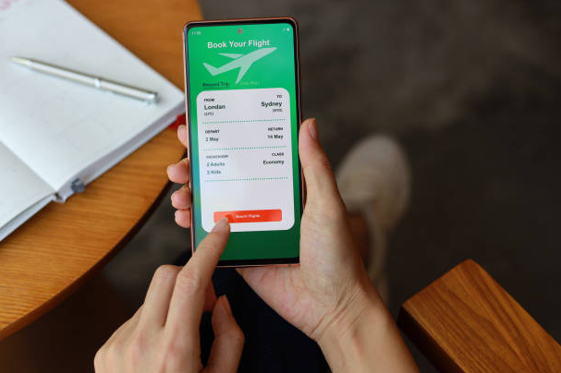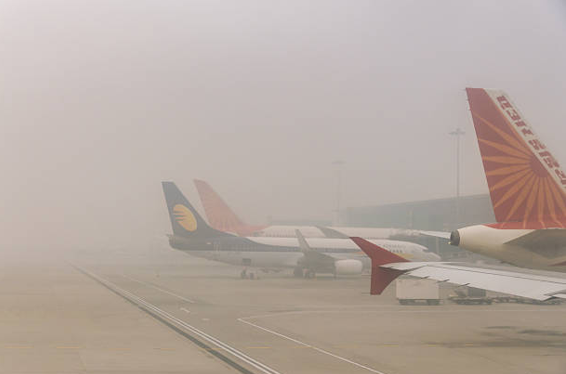

Winter fog across North India can disrupt airline schedules within a short period, affecting departures, arrivals, connecting flights and airport operations. Reduced visibility around major aviation hubs can lead to delayed departures, diversions and cancellations, leaving passengers uncertain about their onward journeys. For airline customer service teams, the operational pressure often increases as several thousand travellers seek updates through phone calls, mobile applications, email and social media. Passengers want clear information about revised departure times, alternative flights, refunds, baggage arrangements and accommodation options. Managing these enquiries requires more than adding agents to existing call queues. Effective flight disruption customer support depends on timely communication, accurate operational information, flexible staffing and well-defined procedures for resolving different types of passenger requests.
Why Winter Fog Creates a Difficult Customer Service Environment
Fog-related disruptions are particularly challenging because flight schedules can change repeatedly as visibility conditions develop. An aircraft scheduled to depart early in the morning may face a delay, while subsequent flights experience knock-on changes due to aircraft positioning, crew availability and airport congestion.
The disruption may also extend beyond the airport where fog is initially reported. An aircraft arriving late from another city can affect its next departure, creating additional delays across the airline’s network. Passengers with connecting flights may face missed connections, while families travelling together can encounter difficulties finding alternative arrangements.
Customer service teams must manage several types of enquiries simultaneously:
- Departure and arrival updates: Passengers want accurate information about revised flight timings and operational status.
- Cancellation enquiries: Travellers need to understand available alternatives and applicable refund procedures.
- Connecting flight concerns: Passengers may require assistance when delays affect onward reservations.
- Baggage-related questions: Changes to itineraries can create uncertainty about checked luggage and collection arrangements.
- Airport assistance: Travellers may need guidance regarding waiting areas, boarding procedures and available support.
- Special assistance requests: Elderly passengers, children travelling alone and passengers requiring mobility assistance may need additional coordination.
A disruption can affect passengers differently depending on their travel plans. Someone travelling for a business meeting may prioritise the earliest available alternative, while a family travelling with children may prefer a more convenient itinerary. Agents need access to current flight information and the authority to follow approved service procedures.
See also: Enhancing Quality of Life with Professional Support at Home
Real-Time Passenger Communication Should Begin Early
One of the biggest sources of passenger frustration during winter disruptions is receiving information too late. Travellers may already be on their way to the airport when a departure is delayed, or they may reach the terminal without knowing that their connecting flight has been affected.
Airlines can reduce unnecessary enquiries by establishing proactive communication procedures. These should begin as soon as operational teams identify a likely disruption, rather than waiting until passengers start contacting the support centre.
A practical communication process includes:
- Identify affected flights: Monitor operational updates and flag flights at risk of delay, diversion or cancellation.
- Segment affected passengers: Group customers according to flight number, departure location, connection status and travel requirements.
- Send relevant notifications: Communicate verified changes through SMS, email, mobile applications or other registered channels.
- Provide clear instructions: Explain available next steps, including whether passengers should proceed to the airport or wait for further updates.
- Maintain follow-up communication: Send revised information when departure times, gate details or alternative arrangements change.
Messages should distinguish between confirmed changes and provisional estimates. For example, a passenger should not receive a guaranteed departure time if the airline is still assessing operational conditions.
Airlines should also maintain consistent information across their communication channels. If an application displays one departure time while a call centre agent provides another, passengers are likely to make repeated enquiries. Integration between operational systems and customer communication platforms helps reduce these inconsistencies.
Create Dedicated Support Workflows for Delays, Cancellations and Rebooking
Not every flight disruption requires the same response. A passenger facing a 45-minute delay may only need an updated departure estimate, while someone whose flight has been cancelled may require a new itinerary, refund information or assistance with an overnight stay.
Airlines should organise their customer service processes around the type of disruption. This helps agents identify the correct procedure without treating every enquiry as a general flight status request.
Three operational workflows deserve particular attention:
1. Flight delay query handling
Agents should be able to check the latest flight status, communicate revised departure estimates and explain any changes to boarding arrangements. They should also have access to approved information about meals, refreshments or other assistance applicable under the airline’s policies.
2. Cancellation and rebooking assistance
When a flight is cancelled, passengers need clear information about alternative flights, available seats, applicable charges and refund options. Agents should understand the airline’s rebooking rules and know how to escalate requests involving connecting flights or urgent travel requirements.
3. Refund and compensation enquiries
Passengers may contact airlines several times to understand refund eligibility, processing timelines and documentation requirements. Standard response guidelines, accurate case records and clear escalation procedures can reduce repeat contacts.
A structured workflow also makes it easier to prioritise cases. Passengers stranded at an airport, travellers with imminent connections and customers requiring special assistance may need faster intervention than those simply requesting a routine status update.
Rebooking and Refund Support Requires Accurate Coordination
Rebooking is often one of the most demanding parts of disruption management. When several flights are delayed or cancelled, available seats on alternative services can become limited. Passengers may also have onward connections, hotel reservations or other travel commitments that complicate their choices.
Customer service agents need access to current reservation information and clearly defined decision-making procedures. Without these, passengers may receive incomplete options or be transferred between departments before anyone can address their issue.
An effective rebooking process should cover:
- Verification of the original booking and affected flight.
- Identification of available alternative flights.
- Review of connecting journeys and onward travel arrangements.
- Explanation of applicable rebooking rules and fare conditions.
- Confirmation of changes through updated booking documents.
- Recording of passenger preferences and unresolved requests.
Refund handling needs similar discipline. Agents should explain the difference between a refund request, an approved refund and a completed transaction. They should also provide realistic processing estimates based on the applicable airline policy and payment method.
Airlines can reduce unnecessary follow-ups by sending automated confirmation messages when a rebooking or refund request reaches a particular stage. These notifications should include a reference number and a clear explanation of what happens next.
Voice and Chat Support Must Expand Within Hours
During widespread fog disruptions, the volume of incoming calls can rise sharply within a short period. Existing customer service teams may struggle to manage the additional workload, particularly when passengers contact the airline repeatedly for updated information.
A flexible support arrangement should allow airlines to expand their capacity within hours rather than waiting several days to recruit and train additional personnel. This requires advance preparation, access permissions, documented procedures and a reserve pool of trained agents.
Voice support remains necessary for complicated cases, urgent travel changes and passengers who prefer speaking directly with an agent. However, handling every basic flight status enquiry through phone calls can create unnecessary pressure on call queues.
Chat and digital channels can manage many routine requests, including:
- Current flight status and revised departure information.
- Links to rebooking and refund request processes.
- Guidance on airport reporting requirements.
- Basic baggage and boarding enquiries.
- Updates on existing service requests.
- Frequently requested information about disruption procedures.
Airlines can also introduce overflow arrangements that redirect additional calls and chat requests to available support teams when internal capacity reaches a predefined threshold.
A practical overflow model should specify which enquiries can be handled by additional agents, which require airline staff and which need operational approval. This prevents external support teams from making unauthorised changes to bookings or communicating unverified information.
Multilingual Passenger Communication Across North India
North India includes passengers with different language preferences and levels of familiarity with airline procedures. Hindi and English are widely used, but airlines may also need support in Punjabi, Urdu and other regional languages depending on their passenger base and routes.
Language barriers can become more difficult during disruptions because passengers are often dealing with uncertainty, missed connections and changing travel plans. A traveller who does not understand the rebooking process may contact the airline repeatedly or miss an important instruction.
Airlines should evaluate language requirements across their major routes and allocate trained agents accordingly. Multilingual support should cover more than basic greetings or general information. Agents must be able to explain flight changes, refund conditions, baggage procedures and alternative travel arrangements accurately.
Quality checks should also assess whether translated messages retain the meaning of the original communication. Incorrect translations of departure instructions, payment information or booking conditions can create operational problems.
For passengers who require additional assistance, agents should have a clear escalation route to airport teams or specialised service departments. This is particularly relevant for elderly travellers, passengers with disabilities and families travelling with young children.
Maintain Consistent Information Across Every Customer Channel
During major disruptions, passengers may move between several communication channels while seeking an answer. Someone might check an airline application first, contact the call centre later and then send a message through social media.
If these channels operate independently, the passenger may need to explain the situation repeatedly. Different agents may also provide inconsistent information because they cannot see previous interactions.
A centralised customer service environment can help maintain continuity. Agents should be able to access relevant booking details, previous conversations, complaint records and the latest approved flight information.
Airlines should pay particular attention to three areas:
Shared interaction history: Customer records should capture previous enquiries, promises made by agents and pending actions. This reduces unnecessary repetition and helps new agents understand the case.
Consistent disruption messaging: Approved communication templates should be available across voice, chat, email and social media teams. Operational updates should be reflected across channels as quickly as possible.
Clear case ownership: Complicated passenger requests should have an assigned team or escalation owner. Transferring an enquiry should not mean losing responsibility for resolving it.
Social media monitoring also deserves attention during major delays. Public complaints can spread quickly, but responding with generic messages does little to resolve individual problems. Airlines should direct passengers towards appropriate private support channels while maintaining consistent public updates.
Track Operational Performance During Disruption Events
Airlines need more than call volume reports to understand how well their support operations are performing. A high number of answered calls may indicate adequate staffing, but it does not establish whether passengers received accurate information or resolved their travel problems.
Performance monitoring should combine operational efficiency with passenger outcomes.
| Performance metric | What it helps airlines assess |
| First Contact Resolution | Whether enquiries are resolved without repeat interactions. |
| Average Response Time | How quickly passengers receive assistance. |
| Average Handling Time | The time required to manage different enquiry types. |
| Abandoned Call Rate | How many passengers leave queues before speaking to an agent. |
| Rebooking Resolution Time | How quickly affected passengers receive confirmed alternatives. |
| Refund Case Backlog | The number of pending refund-related requests. |
| Customer Satisfaction | How passengers evaluate the assistance they receive. |
| Repeat Contact Rate | Whether existing communication and resolution processes are effective. |
These indicators should be reviewed throughout a disruption rather than only after operations return to normal. If the abandoned call rate rises, additional voice capacity may be required. If refund-related contacts increase, the airline may need clearer policy communication or more staff assigned to payment-related cases.
Managers should also examine performance by channel, language, airport and disruption category. This provides a clearer picture of where additional resources or process changes are necessary.
Prepare a Winter Disruption Response Plan Before Fog Arrives
Airlines should establish their winter response arrangements before seasonal visibility problems begin. Waiting until widespread delays occur can leave teams without the access, training and staffing arrangements needed to manage sudden increases in passenger enquiries.
A practical preparation plan should include:
- Reviewing previous winter disruption data to identify high-demand airports and time periods.
- Preparing approved communication templates for delays, cancellations, diversions and rebooking.
- Establishing additional voice and chat capacity for sudden enquiry spikes.
- Training reserve agents on booking systems, refund procedures and escalation rules.
- Confirming access to current flight information and customer records.
- Testing overflow arrangements before the winter season.
- Assigning operational contacts for airport assistance and complex passenger cases.
- Conducting practice exercises for large-scale disruption scenarios.
Airlines should also establish clear triggers for activating additional support. These might include a sudden increase in delayed flights, a rise in incoming calls or a growing backlog of unresolved passenger requests.
The response plan should remain flexible because weather disruptions rarely follow a predictable schedule. A system that can activate additional trained agents, adjust channel allocation and distribute enquiries according to language or issue type gives customer service managers more control during difficult operating conditions.
Keeping Passengers Informed During Winter Disruptions
Winter fog requires airlines to coordinate airport operations, flight information systems and customer service teams under changing conditions. A delayed aircraft can affect several subsequent journeys, creating a growing volume of passenger enquiries across different locations and communication channels. Airlines that prepare flexible staffing arrangements, multilingual support and clearly defined disruption workflows can manage these situations with greater consistency.
Organisations like TP in India illustrate the value of having customer service operations capable of supporting changing enquiry volumes, multiple languages and different communication channels. Airlines evaluating external support arrangements should assess agent readiness, technology access, escalation procedures and the ability to activate additional voice and digital support capacity at short notice.
Passengers may accept that weather conditions are beyond an airline’s control, but they still expect accurate information and practical assistance. A well-prepared customer service operation helps airlines meet those expectations, reduce avoidable complaints and maintain passenger confidence during the winter travel season.
Frequently Asked Questions
1. How does winter fog affect airline customer service operations?
Winter fog can cause flight delays, cancellations, diversions and missed connections. These changes generate additional enquiries about departure times, alternative flights, refunds, baggage and airport assistance. Customer service teams must handle these requests while keeping passengers informed about changing operational conditions.
2. How can airlines manage a sudden increase in flight disruption queries?
Airlines can activate additional trained agents, introduce voice and chat overflow arrangements, use automated flight notifications and prioritise urgent passenger requests. Advance staffing plans and documented disruption procedures help support teams respond within hours rather than waiting for new resources.
3. What is the role of airline customer service outsourcing during winter disruptions?
Airline customer service outsourcing can provide additional trained agents to manage increased enquiry volumes. External support teams can assist with flight status questions, booking information, basic rebooking guidance and refund-related enquiries, subject to the airline’s approved procedures and system access.
4. Why is proactive passenger communication necessary during flight delays?
Proactive communication gives passengers relevant updates before they need to contact the airline. Timely notifications about revised departure times, cancellations and rebooking options can reduce uncertainty, prevent unnecessary calls and help passengers make informed travel decisions.
5. Which customer service channels should airlines use during major flight disruptions?
Airlines should combine phone support, live chat, email, mobile application notifications and social media communication. Phone support is useful for complex or urgent cases, while digital channels can manage routine status enquiries and distribute updates to large passenger groups.