
The atmosphere of a home depends on more than its furniture, colour scheme or decorative finishes. Natural light has a considerable influence on how a room looks and feels. A bright kitchen can feel more inviting in the morning, while a softly lit living space may become a comfortable place to unwind in the afternoon. Yet many homes have rooms where daylight struggles to reach, particularly in extensions, converted lofts and properties with deep floor plans.
Glazing installed in the roof offers another way to bring daylight indoors. Fixed glass roof lights are designed to admit natural light without opening for ventilation. Their simple construction makes them suitable for a range of residential spaces, from contemporary extensions to renovated traditional properties.
A Different Direction for Daylight
Conventional windows bring light in through external walls. This works well near the perimeter of a property, but rooms positioned further inside can remain relatively dark. Roof glazing changes the direction of incoming light, allowing daylight to reach areas that vertical windows may not adequately serve.
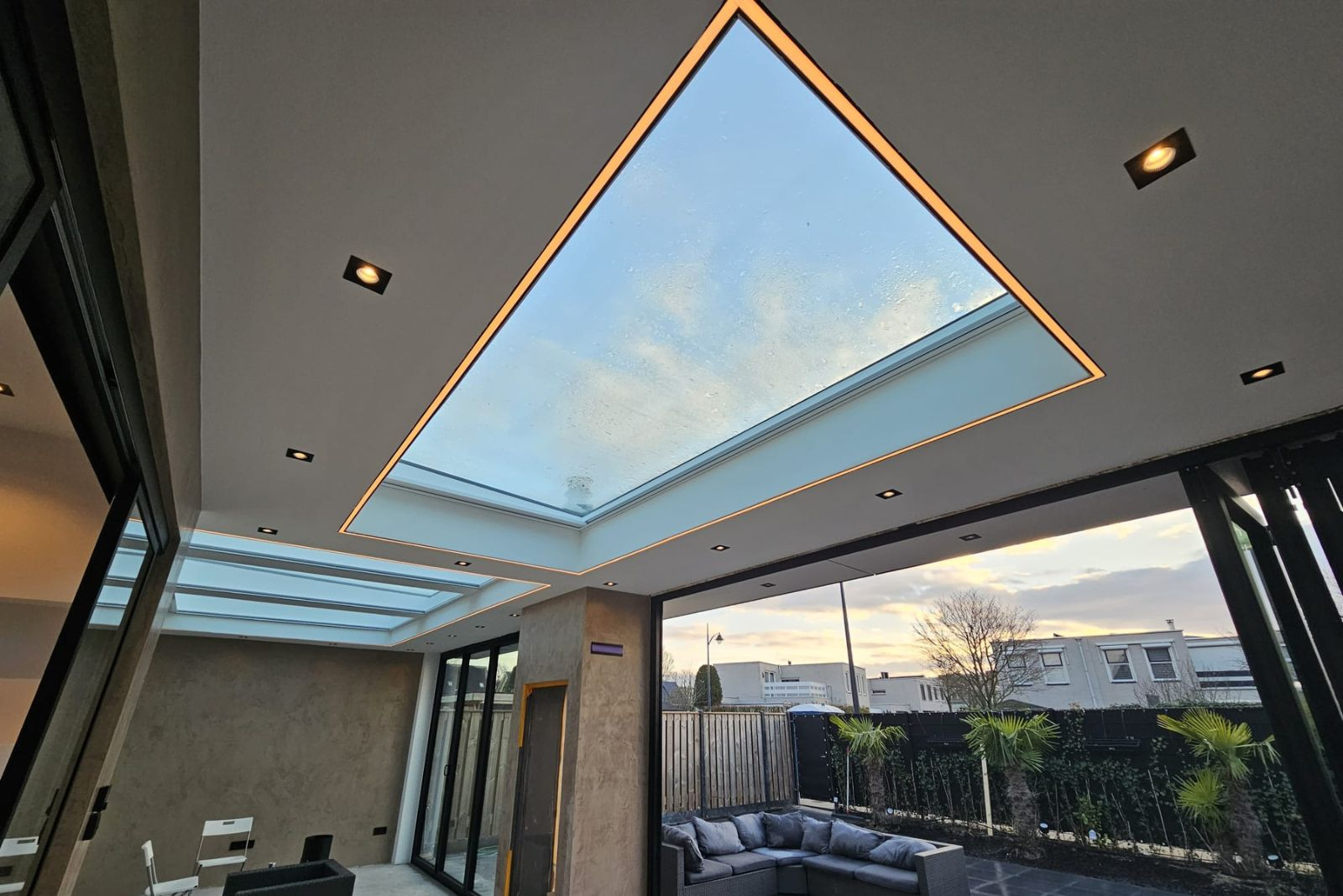
A fixed glass roof light can be installed above a kitchen, dining area, hallway or living room to create a brighter interior. In an extension surrounded by neighbouring buildings, it may provide access to daylight even when additional wall windows are not practical.
The effect can be particularly noticeable in open-plan spaces. Light entering from above can spread across the room, illuminating surfaces and reducing the contrast between brighter areas near windows and darker sections further inside.
The position of the glazing should relate to the room’s layout. A roof light above a dining table can create a natural focal point, while one placed over a hallway can brighten a route that might otherwise depend on artificial lighting throughout the day.
Setting the Atmosphere of a Room
Natural light changes throughout the day. Morning sunlight tends to have a different quality from the warmer light of late afternoon, and cloudy weather creates softer illumination than direct sunshine. A roof opening allows these changes to become part of the interior experience.
In a kitchen, daylight can make everyday tasks more pleasant and help the space feel fresh. In a bedroom, roof glazing can provide a view of the sky and introduce a gentle sense of openness. A living room with a roof light may feel less enclosed, particularly if the surrounding architecture limits the number of conventional windows.
The effect also depends on the materials used inside the room. Pale walls and ceilings can reflect daylight further into the space, while timber, stone and textured finishes can create interesting variations in the way light falls. Furniture placement matters too. A reading chair positioned near a naturally bright area may make better use of the available light than one placed in a darker corner.
Rather than treating lighting as something to address after the interior has been designed, homeowners can use the roof opening as part of the original room layout.
A Clean Design Without Moving Parts
Fixed roof lights do not open or close. Their primary purpose is to provide daylight, so they can be a straightforward choice for rooms that already have suitable ventilation.
The absence of opening mechanisms can also give the glazing a clean appearance. Depending on the product, the frame can be designed to sit neatly within the roof structure, keeping visual attention on the glass and the light it brings into the room.
This simplicity can suit contemporary extensions with flat or low-pitched roofs, although fixed roof glazing is also available for other suitable roof designs. The frame finish, dimensions and glazing specification should complement the architecture rather than appear as an afterthought.
Fixed units can be particularly practical above areas such as stairwells, corridors and dining spaces, where ventilation through the roof may not be necessary. In kitchens and bathrooms, the decision should account for moisture and ventilation requirements. A fixed unit will not provide an opening for removing warm, humid air.
Choosing the Right Glass
The appearance of a roof light is only one part of its performance. The glazing specification affects insulation, solar gain, noise reduction and safety.
Double glazing is commonly considered for residential roof glazing, while some projects may benefit from triple-glazed options. Low-emissivity coatings can help reduce heat transfer, and solar-control glass may limit unwanted heat gain in rooms exposed to strong sunlight.
The right choice depends on the property’s location, roof orientation and intended use of the room. A south-facing extension may receive substantial direct sunlight, making solar control worth considering. A north-facing roof may receive more consistent but less intense daylight, placing greater emphasis on thermal performance.
Safety also requires careful consideration. Roof glazing must be suitable for overhead installation and comply with the relevant building requirements. Depending on the design and location, laminated or toughened safety glass may be specified. A supplier or qualified installer should confirm the appropriate specification before the unit is ordered.
Managing Sunlight and Indoor Temperatures
A room filled with daylight can be pleasant, but excessive direct sunlight may cause glare and overheating. This is particularly relevant in extensions with large areas of glazing and limited opportunities for natural ventilation.
The roof’s orientation should be assessed before choosing the size and position of a fixed unit. Sunlight entering through a roof light may fall directly onto sofas, dining tables or work surfaces at certain times of day. A carefully planned position can help avoid uncomfortable reflections and bright patches.
Blinds or compatible shading systems can provide additional control. Solar-control glazing may also help reduce heat gain, although its performance varies by product. Homeowners should consider how the room will be used throughout the year rather than judging the design only by its appearance on a bright day.
Thermal performance around the frame is equally important. Proper insulation and installation detailing help limit heat loss and reduce the risk of condensation forming around the opening.
Installation Needs Careful Planning
Installing roof glazing involves structural and weatherproofing work. Before an opening is created, the existing roof should be assessed to identify joists, rafters, services and other elements that may affect its position. Structural alterations should be designed and completed by suitably qualified professionals.
The connection between the frame and roof covering must prevent water from entering the building. Flashings, drainage details and compatible installation components help protect the opening from rain. On flat roofs, suitable drainage falls are particularly important because water must be directed away from the glazed area.
The installer should also check insulation continuity and the internal finish around the frame. Poor detailing can lead to draughts, leaks or condensation, reducing the comfort of the room and potentially damaging surrounding materials.
Building regulations may apply to structural work, thermal performance and glazing safety. Checking requirements before installation helps avoid delays and unnecessary changes during the project.
Making More of Existing Space
Roof glazing can be particularly useful in properties where extending the footprint is not possible or desirable. A dark landing, narrow hallway or enclosed kitchen extension may already have enough floor area but lack a comfortable level of daylight.
Adding a fixed roof light can change how that space is experienced without altering its basic layout. It may also reduce the need to switch on artificial lighting during daylight hours, depending on the room and the amount of sunlight available.
The best results come from treating the roof as part of the interior design. Consider the room’s purpose, the direction of sunlight, the glazing specification and the surrounding finishes before deciding on the opening.
A ceiling does not have to be a solid visual boundary between a home and the outdoors. A carefully positioned fixed roof light can introduce changing daylight, offer a view of the sky and give an ordinary room a more open atmosphere. Sometimes, a small change above eye level makes a room feel entirely different.