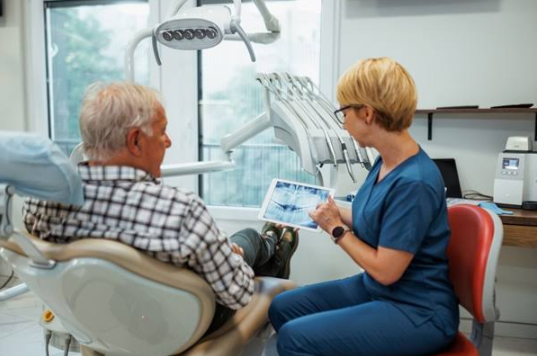

You notice it during dinner, snack time, or while your child chews something a little tougher than usual. Food stays on one side of the mouth, bites look lopsided, and chewing seems slower or more careful than it used to. It can be easy to brush off at first, especially if there is no clear complaint of pain. Kids do this often. They adapt. They keep eating, keep playing, and keep going, even when something feels off. If these changes continue, it may be time to visit a local pediatric dentist in Oxnard, CA.
That is why uneven chewing matters. A child who favors one side of the mouth may be trying to avoid discomfort from a sore tooth, tender gums, jaw strain, or a bite that does not feel right. Uneven chewing and dental discomfort often show up before a child can explain what hurts. A pediatric dentist can help sort out whether the issue is minor, temporary, or a sign that something needs treatment.
Uneven chewing often points to a problem your child cannot describe
Children do not always say, “My molar hurts when I bite down.” They might just chew on one side, avoid crunchy foods, take smaller bites, or leave part of a meal untouched. If this has been happening for more than a few days, there is usually a reason.
One common cause is tooth decay. A cavity can make pressure feel sharp or strange, so your child shifts chewing to the other side. Gum irritation can do the same, especially if brushing has been skipped around a sore area. The National Institute of Dental and Craniofacial Research explains that gum disease and gum inflammation can lead to tenderness, bleeding, and discomfort that changes the way someone bites or chews.
Jaw problems can also be part of the picture. If your child seems to chew unevenly and also has clicking, soreness near the ears, headaches, or trouble opening wide, the jaw joint may be involved. The NIDCR has helpful information on temporomandibular joint disorders, which can affect comfort during chewing and speaking.
Then there are the less obvious causes. A loose baby tooth, a new tooth coming in at an angle, a chipped filling, or a small injury from sports or rough play can all change chewing patterns. You may not see anything dramatic when you look in the mouth, but your child feels the difference every time food hits that spot.
See also: How To Find A Modern Condo That Matches Your Lifestyle And Budget
Hidden oral pain can affect eating, mood, and daily routines
This is where parents often feel stuck. Your child is still eating some foods, so it does not seem urgent. At the same time, something is clearly different. That uncertainty can be stressful, especially when kids are too young to explain what they feel or they worry a dental visit will lead to bad news.
Chewing on one side for too long can create its own problems. The unused side may not get cleaned as naturally by normal chewing, food can collect more easily, and the preferred side can become overworked. If the original issue is jaw strain or a bite problem, that uneven pattern may make soreness worse. If the cause is a painful tooth, waiting can turn a small cavity into a deeper infection.
There is also the nutrition piece. Some children start avoiding apples, carrots, meats, crusty bread, and other foods that take more effort. They may ask for softer foods, eat more slowly, or stop eating before they are full. Over time, that can affect energy, mood, and growth. MedlinePlus notes that toothaches and dental pain can come from decay, infection, injury, or erupting teeth, all of which may interfere with normal eating.
Chewing on one side of the mouth is not always an emergency, but it is a clue. The pattern matters as much as the complaint. If your child keeps doing it, the mouth is telling you something.
Pediatric dentist evaluation versus waiting it out
A short period of uneven chewing can happen with teething or after a minor mouth irritation. The concern rises when the behavior lasts, gets worse, or comes with other signs like bad breath, swelling, crying during meals, face touching, or waking at night.
| What you notice | What it may mean | Why a pediatric dentist visit helps |
|---|---|---|
| Chews on one side for several days | Tooth sensitivity, cavity, sore gums, bite discomfort | Exam can locate pain source before it becomes more serious |
| Avoids crunchy or cold foods | Cracked tooth, decay, exposed sensitive area | Targeted treatment can reduce pain and protect the tooth |
| Jaw clicking or soreness while chewing | Jaw joint strain or muscle tension | Bite and jaw function can be checked early |
| Bleeding gums or pain while brushing | Gum inflammation or plaque buildup | Cleaning and home care guidance can calm the area |
| Sudden chewing change after a fall or hit | Dental injury, bruised tooth, shifted bite | Hidden damage can be found even if the tooth looks normal |
The value of a pediatric dentist is not just treatment. It is interpretation. Children often show pain through behavior first, and a specialist who works with kids every day knows how to connect small signs into a clear answer.
Simple steps can help you respond early
Watch the pattern closely. Notice whether your child always chews on the same side, avoids certain foods, touches the face, or complains that food feels “weird.” Write down when it started and whether there was a recent fall, illness, or teething change.
Check for other signs without poking at sore areas. Look for swelling, redness, bleeding gums, a dark spot on a tooth, bad breath that does not go away, or a tooth that seems chipped or loose in an unusual way. Offer softer foods and water until the cause is clearer.
Schedule a dental exam if the behavior continues. If uneven chewing lasts more than a few days, or if your child seems uncomfortable during meals, get it checked. Early care is usually simpler, less stressful, and less expensive than waiting for pain to become obvious.
Small changes in chewing can reveal bigger comfort issues
You know your child’s normal habits, and when eating suddenly changes, that instinct is worth trusting. Uneven chewing is often a quiet sign of hidden oral discomfort, not a random phase. Catching it early can spare your child more pain and make treatment easier.
If your child has started favoring one side while eating, a visit with a pediatric dentist can give you clear answers and a plan that fits what is really going on.