
You may have brushed off dry mouth at first. Maybe it showed up at night, or you started keeping water close by because your tongue felt sticky and your throat felt rough. Then it kept happening. Eating became less comfortable, speaking for long stretches felt harder, and your mouth never seemed to feel normal. That kind of daily irritation wears on you. It may be time to find a trusted family dentist in Santa Rosa.
Chronic dry mouth is more than an annoying symptom. It can affect your teeth, gums, sleep, digestion, and comfort throughout the day. The mouth is part of the rest of your body, not separate from it, which is why the connection between chronic dry mouth and whole body wellness deserves attention. When saliva stays low for too long, the effects tend to spread.
Chronic Dry Mouth Affects More Than Oral Comfort
Saliva protects your mouth in quiet, constant ways. It helps wash away food, balances acids, supports taste, and makes chewing and swallowing easier. When that protection drops, problems build quickly. Cavities can form faster, gums can become irritated, and bad breath often gets worse. A dry mouth also raises the risk of mouth sores and oral infections.
The bigger issue is that dry mouth often connects to something else going on. Medicines are a common cause, especially those used for allergies, depression, anxiety, blood pressure, and pain. Dehydration, diabetes, autoimmune conditions, mouth breathing, and certain cancer treatments can also reduce saliva. The MedlinePlus guide to dry mouth outlines many of these causes and symptoms clearly.
You may also notice effects outside the mouth. If your mouth feels dry all night, your sleep can suffer. If chewing and swallowing are harder, you may start avoiding certain foods, often the crisp, fibrous, healthier ones that take more effort. If speaking leaves your mouth feeling parched, work and social situations can become draining. That is how a symptom that seems small starts affecting your energy, confidence, and routine.
See also: Can Salaried Employees Qualify For Overtime Pay?
Low Saliva Can Trigger A Cycle Of Dental And Body Stress
When saliva stays low, plaque sticks more easily, enamel has less defense, and the mouth becomes a friendlier place for harmful bacteria and yeast. You might find yourself needing more fillings, dealing with gum tenderness, or feeling a burning sensation in the mouth. Those issues often create stress, and stress can make dry mouth worse by changing breathing patterns and daily habits.
This is where a whole person view matters. A person with chronic dry mouth may not need another mint or another bottle of water alone. They may need a closer look at medications, blood sugar, sleep habits, nasal breathing, diet, and oral care products. The NIH overview of dry mouth explains that persistent symptoms should not be ignored because they can point to broader health concerns.
A general dentist who pays attention to the full picture can often spot patterns early. If your mouth is dry and your cavities keep returning, that is not bad luck. If your gums are inflamed even though you brush daily, something may be interfering with your mouth’s ability to protect itself. A thoughtful exam can connect those dots before the damage grows.
The Link Between Persistent Dry Mouth And Whole Body Health Is Practical, Not Abstract
Persistent dry mouth and overall wellness are tied together in ways that show up in ordinary life. Food choices change when chewing is uncomfortable. Sleep quality drops when you wake up thirsty or breathe through your mouth. Speech becomes less fluid when your tongue sticks. Oral pain can lead people to postpone cleanings or treatment because they assume nothing will help. Then costs rise because untreated dryness often leads to decay, broken teeth, gum problems, and repeat dental work.
There is also the problem of self treatment that misses the real cause. Sugar filled lozenges can feed cavities. Alcohol based mouthwash can make dryness worse. Constant sipping of acidic drinks may soothe for a minute, then add enamel wear. The HRSA dry mouth resource offers practical guidance on symptom relief and oral protection.
Comparing Temporary Relief With A Professional Dry Mouth Evaluation
| Approach | What It May Help | Limits And Risks |
|---|---|---|
| Drinking more water | Short term comfort, easier swallowing | Does not treat medicine side effects, mouth breathing, decay risk, or underlying illness |
| Over the counter sprays or lozenges | Moisture for a short period, some symptom relief | Relief fades fast, some products contain acids or sugars that can harm teeth |
| Changing oral care products at home | May reduce irritation if products are too harsh | Does not identify why saliva is low or whether damage has started |
| Professional dental evaluation | Checks for decay, gum disease, infection, enamel wear, and saliva related damage | Requires an appointment, but can prevent larger treatment needs later |
| Medical review of medications and health conditions | May uncover the root cause and lead to better long term control | Needs coordination with your physician and dentist |
Three Immediate Steps Can Reduce Harm And Clarify The Cause
Track when the dryness happens. Write down whether it is worse at night, after certain medications, during exercise, or when you feel stressed. Note any mouth breathing, snoring, burning, bad breath, or trouble swallowing. Patterns matter, and they give your dentist and physician useful clues.
Protect your mouth from extra irritation. Choose alcohol free oral care products, avoid tobacco, and be careful with sugary candies, acidic drinks, and frequent sipping of soda or juice. If you use lozenges, pick options made for dry mouth that are tooth friendly. Small changes here can lower your cavity risk right away.
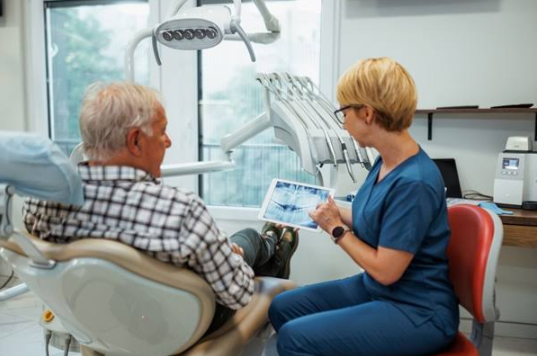
Schedule a dental exam that looks beyond the surface. A good evaluation should check for early decay, gum changes, oral yeast overgrowth, enamel wear, and signs that your dry mouth is linked to a broader health issue. This is where a general dentist can help connect oral symptoms with the rest of your health and decide whether you also need a medical follow up.
Relief Starts With Paying Attention To The Pattern
If your mouth has been dry for weeks or months, you are not overreacting. Your body is giving you useful information, and the sooner you respond, the easier it is to protect your teeth, comfort, and daily well being. Lasting relief usually comes from treating both the symptom and the cause. A caring dental team can help you sort out what is driving the dryness and what to do next.
If you have been living with ongoing dryness, burning, bad breath, or new cavities, schedule an appointment with a dentist who takes a whole person view of care. Getting answers now can spare you more discomfort later.