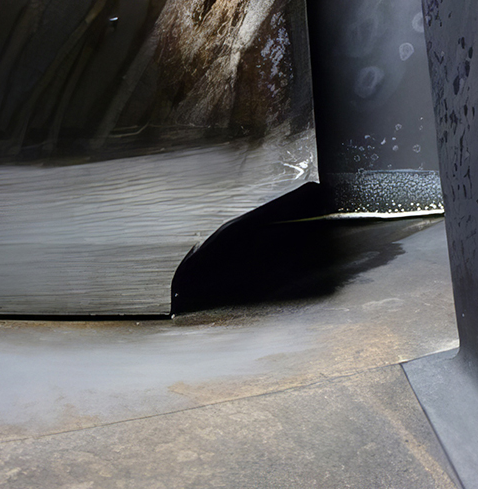

Borescope inspection services play an important role in evaluating the internal condition of industrial turbines without requiring extensive equipment disassembly. By using specialized optical instruments, inspection professionals can examine difficult-to-reach components, identify visible damage, and gather information that supports maintenance planning. For facilities that depend on reliable turbine performance, these inspections can help detect developing concerns and make maintenance decisions more informed.
What Are Borescope Inspection Services?
Borescope inspections use specialized cameras and optical instruments to examine internal equipment components through designated access openings. These tools allow technicians to view areas that may otherwise be difficult to reach during routine external inspections.
In gas and steam turbines, borescope inspections can help assess internal surfaces, blades, vanes, combustion components, and other accessible areas. The inspection provides visual information about the condition of components without requiring a complete teardown.
Professional borescope inspection services are particularly useful when operators need to evaluate equipment condition, investigate performance concerns, or gather information before scheduling a major inspection.
See also: Enhancing Quality of Life with Professional Support at Home
Why Are Borescope Inspections Important for Turbine Maintenance?
Internal turbine components operate under demanding conditions, including high temperatures, pressure, rotational forces, and continuous mechanical stress. Over time, these operating conditions can contribute to wear, cracking, corrosion, deposits, and other forms of deterioration.
Visual inspection helps maintenance teams identify visible changes before they develop into more serious operational concerns.
Key benefits include:
- Early identification of visible damage: Inspections can reveal cracks, erosion, corrosion, coating deterioration, and foreign object damage.
- Reduced inspection disruption: Designated access points may allow internal visual assessments without extensive disassembly.
- Improved maintenance planning: Findings help maintenance teams determine whether additional testing or repair work is required.
- Better equipment condition records: Inspection images and reports provide documentation for future comparisons.
- Support for outage decisions: Findings can help operators evaluate maintenance priorities and plan suitable inspection activities.
Borescope inspections are not a replacement for every maintenance or non-destructive testing method. Instead, they provide valuable visual information that can guide further evaluation.
Common Turbine Components Examined During Borescope Inspections
The inspection scope depends on turbine design, access availability, operating conditions, and the reason for the assessment.
Compressor Blades and Vanes
Compressor components are exposed to airflow, temperature changes, and possible foreign object damage. Borescope inspections can help identify visible blade deformation, leading-edge damage, surface erosion, corrosion, and deposits.
These observations can support decisions about whether additional inspection or maintenance is necessary.
Combustion Components
Gas turbine combustion sections operate under high-temperature conditions. Liners, transition pieces, and related components may experience cracking, oxidation, distortion, or thermal deterioration.
A visual inspection can help identify visible signs of damage and provide information for further assessment.
Turbine Blades and Nozzles
Turbine blades and nozzle guide vanes experience demanding thermal and mechanical conditions. Inspections may reveal coating loss, surface deterioration, cracks, erosion, or foreign object damage.
Identifying these conditions helps maintenance teams determine whether further non-destructive examination or repair evaluation is appropriate.
Internal Flow Paths
Borescope equipment can also help examine accessible internal passages for deposits, blockages, loose material, and other visible abnormalities. These observations can help explain certain performance changes and support additional troubleshooting.
Common Problems Identified Through Borescope Inspection
A borescope inspection can reveal several types of visible defects and operating-related conditions.
Cracks and Surface Damage
Cracks may develop because of thermal cycling, mechanical stress, vibration, or material fatigue. Their location, appearance, and extent can influence the need for additional testing.
Corrosion and Oxidation
Exposure to operating environments can contribute to surface deterioration. Visual inspection helps identify affected areas and document the condition for engineering review.
Erosion and Coating Loss
High-velocity flow, particles, and elevated temperatures can contribute to erosion or protective coating deterioration. These conditions may affect component durability and require further evaluation.
Foreign Object Damage
Foreign materials entering the turbine airflow path can damage compressor and turbine components. Borescope inspections may identify impact marks, deformation, or displaced material.
Deposits and Blockages
Accumulated deposits can affect airflow and component surfaces. Visual examination helps identify areas that may require cleaning or additional investigation.
How a Professional Borescope Inspection Is Performed
A structured inspection process helps ensure that findings are recorded consistently and can be used for maintenance decisions.
1. Review of Equipment Information
The inspection team reviews relevant equipment details, available maintenance history, operating concerns, and the requested inspection scope. This information helps identify the areas that require attention.
2. Inspection Planning and Access Preparation
Technicians identify suitable access points and prepare the equipment according to applicable safety and inspection procedures. Equipment condition and accessibility influence the inspection approach.
3. Internal Visual Examination
Specialized borescope equipment is used to examine accessible internal components. Technicians inspect relevant surfaces for visible defects, unusual conditions, and signs of deterioration.
4. Image and Video Documentation
Images and video recordings help document the observed condition. Clear records support technical review and provide reference material for future inspections.
5. Findings and Reporting
Inspection findings are organized into a report that describes observed conditions and identifies areas that may require additional evaluation. Where necessary, recommendations may include further non-destructive testing, engineering assessment, or repair planning.
Borescope Inspection and Other Non-Destructive Testing Methods
Borescope inspection is one part of a broader turbine inspection strategy. It provides visual information, while other non-destructive testing methods help evaluate material conditions that may not be visible on the surface.
For example, ultrasonic testing can help assess internal material conditions, while magnetic particle and liquid penetrant testing can identify certain surface or near-surface discontinuities in suitable materials.
The appropriate method depends on the component material, suspected defect, inspection requirements, and accessibility.
Combining visual examination with suitable non-destructive testing services can provide a more complete understanding of equipment condition.
When Should Turbine Operators Schedule Borescope Inspections?
Inspection timing depends on equipment manufacturer recommendations, operating hours, maintenance history, and operating conditions. Operators may consider borescope inspections during several maintenance situations.
- Routine maintenance: Periodic assessments help monitor the condition of accessible internal components.
- Before planned outages: Inspection findings can help identify areas requiring attention during scheduled maintenance.
- After unusual operating events: Unexpected vibration, temperature changes, or performance concerns may justify an internal visual assessment.
- After maintenance or repair: Follow-up inspections can help document the condition of accessible components.
- During troubleshooting: Visual examination can provide additional information when investigating suspected internal damage.
Inspection intervals should be established using equipment-specific guidance and qualified engineering recommendations.
Borescope Inspections for Gas and Steam Turbines
Different turbine types require inspection approaches suited to their designs and operating environments.
Gas turbine inspections often focus on compressor blades, combustion components, turbine blades, and hot gas path areas. High operating temperatures and thermal stresses make these components important inspection priorities.
For steam turbines, internal visual assessments may help examine accessible blade areas, flow passages, and other components for deposits, corrosion, erosion, or visible mechanical damage. The inspection scope depends on access and equipment configuration.
Advanced Turbine Support provides turbine inspection capabilities covering different equipment types. Operators can explore its gas turbine inspection and aeroderivative services and steam turbine inspection services to understand the available support.
Choosing a Professional Borescope Inspection Service Provider
Selecting an experienced inspection provider is important because accurate observations and clear reporting influence maintenance decisions.
Consider the following factors when evaluating a service provider:
- Relevant turbine experience: The team should understand the equipment type and components being inspected.
- Suitable inspection equipment: Specialized optical instruments should match the inspection requirements and access conditions.
- Qualified personnel: Technicians should have appropriate training and experience in turbine inspection.
- Clear documentation: Reports should describe observed conditions and include useful visual records.
- Additional inspection capabilities: Access to complementary non-destructive testing and turbine maintenance services can support further evaluation when required.
Advanced Turbine Support offers borescope inspection services as part of its turbine inspection and maintenance support capabilities.
Conclusion
Borescope inspection services help turbine operators evaluate internal equipment conditions through specialized visual examination. By identifying visible cracks, corrosion, erosion, coating deterioration, deposits, and foreign object damage, these inspections provide useful information for maintenance planning and troubleshooting.
When combined with suitable non-destructive testing methods and professional engineering assessment, borescope inspections can support more informed decisions about equipment condition, repair requirements, and maintenance priorities. A structured inspection program helps operators monitor turbine components and manage maintenance activities with greater confidence.