
Taking care of your skin involves more than choosing the right skincare products. Regular cleansing, moisturizing, and exfoliation all contribute to maintaining healthy-looking skin. Natural exfoliating tools offer an alternative to conventional synthetic accessories by using materials such as plant-based fibers and other naturally derived components.
Choosing the right exfoliating accessory can help make your skincare routine more comfortable and organized. However, understanding how exfoliation works, selecting suitable tools, and following proper hygiene practices are equally important.
What Are Natural Exfoliating Tools?
Natural exfoliating tools are skincare accessories designed to help remove dead skin cells and surface impurities through gentle physical exfoliation. They are commonly made from materials such as natural loofah, sisal, and other plant-based fibers.
These tools are available in different shapes and textures, depending on their intended use. Some are designed specifically for facial care, while others are suitable for exfoliating larger areas of the body.
Choosing a suitable natural exfoliating tool can help support a consistent skincare routine while offering an alternative to certain synthetic exfoliating accessories.
See also: Can Salaried Employees Qualify For Overtime Pay?
Why Is Skin Exfoliation Important?
Skin naturally sheds dead skin cells as part of its renewal process. However, dead cells can sometimes accumulate on the skin’s surface, contributing to a rough or uneven texture.
Exfoliation helps remove some of these surface cells and can improve the feel and appearance of the skin.
1. Helps Remove Dead Skin Cells
One of the primary purposes of exfoliation is to remove accumulated dead skin cells from the outermost layer of the skin.
A suitable exfoliating tool can help loosen these cells through gentle physical contact. The intensity should always be adjusted according to skin sensitivity.
2. Supports Smoother Skin Texture
Regular, gentle exfoliation can help improve the feel of rough skin. It removes some surface buildup, leaving the skin feeling smoother.
However, excessive exfoliation can damage the skin barrier. It is important to avoid aggressive scrubbing and allow the skin sufficient time to recover.
3. Helps Prepare Skin for Moisturizing
Removing excess surface buildup can make the skin feel cleaner and more receptive to subsequent skincare steps.
Applying a suitable moisturizer after exfoliation helps maintain hydration and supports the skin barrier.
Different Types of Natural Exfoliating Tools
Natural exfoliating accessories come in several forms. Understanding their characteristics can help you select a tool that suits your skincare requirements.
Natural Loofah Exfoliators
Natural loofah is a plant-derived material commonly used in body exfoliation accessories. Its fibrous texture provides physical exfoliation when used with water and gentle pressure.
Loofah products are generally better suited to the body than delicate facial skin. They should be cleaned, dried thoroughly, and replaced when they show signs of deterioration.
Sisal Exfoliating Tools
Sisal fibers are obtained from the leaves of the agave plant. They are commonly used to manufacture brushes and other personal-care accessories.
Sisal tools can provide a textured exfoliating surface, making them suitable for certain body-care applications. However, people with sensitive skin should choose softer alternatives.
Facial Exfoliating Sponges
Facial exfoliating sponges are designed for use on delicate facial skin. Some varieties are made using plant-derived materials and offer a softer texture than traditional body scrubbers.
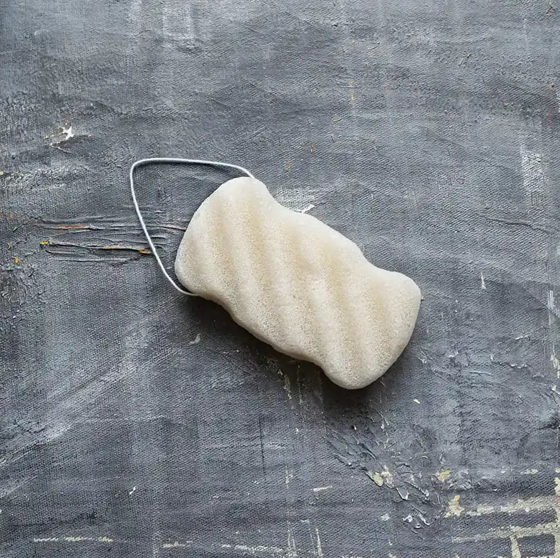
A Konjac facial sponge is one option to consider when looking for a gentle facial cleansing accessory. It should be softened with water before use and handled carefully.
How to Choose the Right Skin Exfoliation Tool
Selecting the right exfoliating accessory depends on your skin type, sensitivity, and intended use.
Consider Your Skin Type
Different skin types respond differently to physical exfoliation.
- Sensitive skin: Choose very soft accessories and avoid frequent physical exfoliation.
- Dry skin: Prioritize gentle textures and apply moisturizer after cleansing.
- Oily skin: Avoid aggressive scrubbing, as excessive friction can irritate the skin.
- Combination skin: Consider the different needs of facial and body areas when selecting exfoliating accessories.
If you have an existing skin condition or persistent irritation, consult a qualified dermatologist before using physical exfoliation tools.
Check the Material and Texture
The material determines how an exfoliating tool feels against the skin. Rough fibers may be suitable for certain body-care applications but can be too abrasive for delicate areas.
Look for products with clearly described materials and intended uses. Avoid tools that feel excessively rough or uncomfortable.
Select the Appropriate Design
Exfoliating tools are available in different formats, including:
- Body scrubbers
- Exfoliating mitts
- Natural loofah sponges
- Facial cleansing sponges
- Exfoliating brushes
Choose an accessory based on the area where it will be used and the level of exfoliation required.
How to Use Natural Exfoliating Tools Correctly
Using an exfoliating accessory correctly is essential for maintaining skin comfort and avoiding unnecessary irritation.
Step 1: Prepare Your Skin
Begin by wetting your skin with lukewarm water. This helps soften the skin surface and prepares it for cleansing.
If you are using a natural loofah or another plant-fiber accessory, wet the tool according to its care instructions.
Step 2: Apply a Suitable Cleanser
Apply a mild body cleanser to the exfoliating tool or directly to the skin. Avoid cleansers containing ingredients that may cause irritation when combined with physical exfoliation.
Step 3: Use Gentle Movements
Move the tool gently across the skin without applying excessive pressure. Avoid scrubbing damaged, irritated, sunburned, or inflamed areas.
For facial skin, use only accessories specifically designed for facial cleansing.
Step 4: Rinse Thoroughly
After exfoliation, rinse the skin with clean water to remove loosened dead skin cells and cleanser residue.
Step 5: Moisturize
Finish by applying an appropriate moisturizer. This helps maintain skin hydration and supports the natural skin barrier.
Benefits of Choosing Natural Exfoliating Accessories
Natural exfoliating accessories can be useful for consumers who prefer plant-based materials and thoughtfully selected personal-care products.
Some important considerations include:
- Plant-derived materials: Certain exfoliating tools are made using natural fibers.
- Different textures: Multiple designs are available for different body-care needs.
- Reusable formats: Some accessories can be used repeatedly with appropriate cleaning and maintenance.
- Versatile applications: Products are available for body cleansing and facial care.
- Alternative material choices: Natural fibers offer an option beyond some conventional synthetic accessories.
Explore the exfoliating tools collection at Plantish Future to discover available options for your personal-care routine.
How to Clean and Maintain Exfoliating Tools
Proper hygiene is essential because exfoliating accessories come into direct contact with the skin.
Rinse After Every Use
Rinse the tool thoroughly after use to remove cleanser residue, dead skin cells, and other impurities.
Allow Complete Drying
Store exfoliating accessories in a well-ventilated location where they can dry completely between uses. Avoid leaving damp tools in enclosed spaces.
Clean According to Material Instructions
Different materials require different cleaning methods. Follow the manufacturer’s recommendations to prevent damage and maintain product quality.
Replace Worn-Out Accessories
Inspect exfoliating tools regularly. Replace them if they develop unpleasant odors, discoloration, damaged fibers, or signs of deterioration.
Avoid Sharing Personal-Care Tools
Exfoliating accessories should be used individually to support better personal hygiene.
Natural Exfoliating Tools vs. Synthetic Exfoliating Accessories
Both natural and synthetic exfoliating tools are available in the skincare market. Their differences generally involve material composition, texture, and maintenance requirements.
| Feature | Natural Exfoliating Tools | Synthetic Exfoliating Tools |
| Materials | Plant-derived fibers and other natural materials | Manufactured synthetic materials |
| Texture | Varies according to natural fiber | Available in different manufactured textures |
| Design | Often simple and material-focused | Available in multiple shapes and designs |
| Maintenance | Depends on the natural material | Depends on the product construction |
| Environmental considerations | Some options use renewable plant materials | Depends on material and manufacturing process |
Neither category is automatically suitable for every skin type. Material quality, texture, hygiene, and intended application should guide purchasing decisions.
Conclusion
Natural exfoliating tools can be a useful addition to a skincare routine when selected and used appropriately. From natural loofah accessories to gentle facial sponges, different options are available for different skincare requirements.
The key is to choose a tool that matches your skin’s sensitivity, avoid excessive scrubbing, and maintain proper cleaning habits. Gentle exfoliation combined with regular moisturizing can help support smoother-feeling skin without unnecessarily disrupting its natural protective barrier.
Explore Plantish Future’s exfoliating collection to discover natural-inspired accessories that can complement a thoughtful and well-maintained skincare routine.