
A car’s air conditioning system does more than keep the cabin comfortable during hot weather. It also helps control humidity, improves air circulation and makes long journeys more pleasant. The compressor is one of the main components responsible for this process. Understanding how a Hyundai AC compressor operates, recognising early warning signs and following suitable maintenance practices can help vehicle owners avoid unexpected cooling problems and costly repairs. A little attention to the AC system can also help maintain consistent performance throughout the year.
The Role of the AC Compressor in Your Hyundai
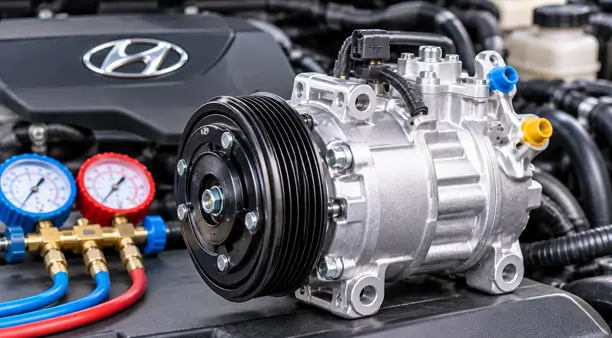
The air conditioning compressor circulates refrigerant through the vehicle’s cooling system. It receives low-pressure refrigerant gas from the evaporator, compresses it and sends it towards the condenser at higher pressure and temperature.
The condenser then releases heat from the refrigerant, allowing it to change into a liquid. The refrigerant passes through an expansion valve or orifice tube before entering the evaporator, where it absorbs heat from the cabin air. The blower fan pushes the cooled air through the vehicle’s vents.
This cycle continues while the AC system operates.
The compressor is driven either by an engine belt or an electrically powered mechanism, depending on the vehicle’s design. Its operation is controlled by the vehicle’s air conditioning system, which regulates cooling demand and pressure.
A properly functioning compressor helps maintain the refrigerant circulation required for effective cabin cooling.
Common Signs of Compressor Problems
Compressor problems can develop gradually or appear without much warning. Recognising the symptoms early can help prevent additional damage to other AC components.
1. Warm Air From the Vents
One of the most noticeable signs is warm or insufficiently cooled air coming from the dashboard vents. A compressor that cannot build the required refrigerant pressure may fail to support the cooling cycle.
However, warm air does not always indicate compressor failure. Low refrigerant levels, electrical faults, a blocked condenser or a faulty expansion valve can produce similar symptoms.
2. Unusual Noises During AC Operation
Grinding, rattling, squealing or clicking sounds when the air conditioning is switched on may indicate compressor-related trouble.
Possible causes include worn bearings, internal component damage, a loose belt or problems with the compressor clutch. A technician should inspect the source of the noise before replacing any parts.
3. AC Cooling That Comes and Goes
Intermittent cooling can indicate an issue with compressor engagement, refrigerant pressure, electrical connections or temperature sensors.
For example, a damaged clutch may prevent the compressor from engaging consistently. A faulty pressure switch can also interrupt compressor operation to protect the system.
4. Refrigerant Leaks
Oil stains around compressor connections or visible refrigerant leakage may indicate damaged seals, hoses or fittings.
Refrigerant loss reduces cooling efficiency and can eventually prevent the system from operating correctly. A professional leak test can identify the affected area.
5. Unusual Engine Behaviour
A compressor that is seized or experiencing excessive mechanical resistance can place additional strain on the engine. Drivers may notice unusual belt noises or changes in engine performance when the AC is switched on.
These symptoms deserve prompt inspection to prevent damage to the belt and related components.
What Causes AC Compressor Failure?
Several mechanical, electrical and maintenance-related issues can affect compressor performance.
- Insufficient refrigerant: Incorrect refrigerant levels can affect system pressure and lubrication conditions.
- Contaminated refrigerant: Moisture, dirt or metal particles inside the system can damage internal compressor components.
- Poor lubrication: Inadequate or incorrect compressor oil can increase friction and accelerate wear.
- Electrical faults: Damaged wiring, faulty relays, blown fuses or defective sensors can interrupt compressor operation.
- Excessive system pressure: Cooling fan problems, condenser blockages or other restrictions can cause abnormal operating pressures.
- Normal wear: Bearings, seals, clutch components and internal moving parts can deteriorate over time.
Regular inspections can help identify these issues before they result in complete compressor failure.
How to Maintain Your Hyundai AC System
Good maintenance habits can support consistent cooling and reduce unnecessary strain on the air conditioning system.
Run the AC periodically
Operating the air conditioning system regularly, including during cooler months, helps circulate refrigerant and compressor oil through the system. Follow the vehicle manufacturer’s recommendations, particularly for models with automatic climate control.
Keep the cabin air filter clean
A dirty cabin filter restricts airflow and can reduce cooling comfort. Check the filter at the recommended service intervals and replace it when necessary.
Inspect the condenser
The condenser is usually positioned near the front of the vehicle, where it can collect dust, insects and road debris. Restricted airflow can affect heat dissipation and increase system operating pressure.
A technician can inspect and clean the condenser without damaging its delicate fins.
Check for unusual noises
Pay attention to new sounds when switching the AC on or off. Early investigation can help identify worn bearings, belt problems or clutch-related faults.
Avoid incorrect refrigerant charging
Different Hyundai models may require different refrigerant types and specified filling quantities. Using the wrong refrigerant or adding an excessive amount can affect system performance and damage components.
Always follow the specifications on the vehicle’s refrigerant label or in its service documentation.
Choosing the Correct Replacement Compressor
A replacement compressor must match the vehicle’s technical requirements. Hyundai manufactures vehicles with different engine configurations, AC system designs and compressor specifications.
Before purchasing a replacement, check the following details:
- Vehicle model and year: The correct compressor can vary between different production years and model generations.
- Engine specification: Engine size and configuration can affect compressor compatibility.
- Part number: Compare the original compressor’s part number with the replacement component.
- Refrigerant type: Confirm that the compressor is compatible with the refrigerant specified for the vehicle.
- Mounting arrangement: Bracket positions, pulley dimensions and connection points must match.
- Electrical connections: Connector types and control requirements should be compatible with the original system.
A compatible Hyundai air conditioner compressor should meet the manufacturer’s specifications rather than simply matching the vehicle’s brand or model name.
Using an incorrect component can create installation difficulties, poor cooling performance or additional mechanical and electrical problems.
Why Professional Installation Matters
Replacing an AC compressor involves more than removing the old unit and fitting another one. The air conditioning circuit must be handled carefully to protect the replacement component and the rest of the system.
A qualified technician will generally recover the existing refrigerant using suitable equipment before disconnecting the compressor. The technician should then inspect the system for leaks, contamination and other faults.
If the previous compressor suffered internal failure, metal debris may have circulated through the refrigerant circuit. Depending on the manufacturer’s repair instructions and the extent of contamination, additional components may require cleaning or replacement.
The installation process should also include:
- Checking the replacement compressor and its specifications.
- Inspecting hoses, seals, electrical connections and mounting brackets.
- Using the specified compressor oil and correct quantity.
- Replacing the receiver-drier or accumulator when required by the repair procedure.
- Evacuating the system to remove air and moisture.
- Charging the system with the specified refrigerant quantity.
- Testing operating pressures, vent temperatures and compressor performance.
These checks help reduce the risk of premature failure and support reliable cooling after installation.
When Should You Repair or Replace the Compressor?
Not every AC problem requires a complete compressor replacement. A faulty relay, damaged wiring, refrigerant leak or defective pressure sensor may be responsible for the symptoms.
A technician should diagnose the system before recommending repairs.
For some faults, replacing an individual component, such as the clutch or an external seal, may be possible if the compressor design allows it and its internal condition remains satisfactory.
However, a compressor with severe internal damage, seized moving parts or extensive contamination may require replacement.
When comparing an AC compressor Hyundai replacement with a repair, consider the component’s condition, vehicle age, availability of compatible parts and estimated labour costs. A detailed diagnosis can help vehicle owners make a practical decision without spending money on unnecessary replacements.
Keeping Your Hyundai’s Cooling System in Good Condition
A properly maintained air conditioning system contributes to cabin comfort and helps prevent avoidable component failures. Drivers can support its performance by checking filters, paying attention to unusual noises, following recommended service intervals and arranging professional inspections when cooling efficiency declines.
Compressor selection also deserves careful attention. Matching the replacement part to the vehicle’s exact specifications, using the correct refrigerant and following proper installation procedures can help maintain dependable AC performance.
Early diagnosis is often less expensive than waiting until a minor fault affects several parts of the cooling system. Regular attention to the air conditioning system can help keep a Hyundai comfortable and ready for everyday driving.