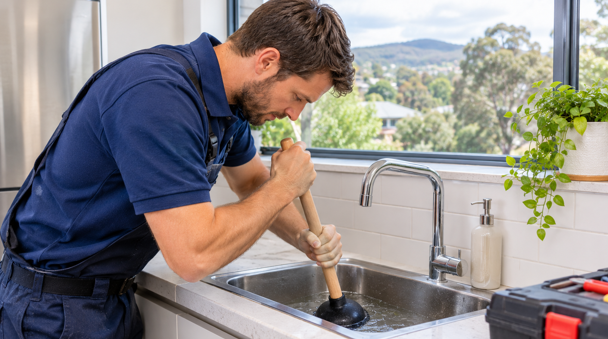

Drainage problems can affect everyday activities, from washing dishes to taking a shower or using the toilet. A blocked drain in Queanbeyan can develop gradually through everyday waste, grease accumulation, tree root intrusion or damaged pipes. Recognising the early warning signs helps property owners address drainage issues before they cause water damage, unpleasant odours or sewage overflows. Understanding what causes these problems and knowing when professional assistance is needed can help maintain a reliable drainage system throughout the year.
What Causes Drains to Become Blocked?
Drain blockages develop when materials accumulate inside pipes and restrict the movement of wastewater. Some problems occur because of daily household habits, while others result from ageing plumbing infrastructure or external conditions.
Common causes include:
1. Grease and cooking oil accumulation
Pouring leftover cooking oil, fats and grease into kitchen sinks can create significant drainage problems. These substances cool inside pipes and gradually form sticky deposits. Food scraps and other debris become trapped in the residue, making the blockage increasingly difficult to clear.
2. Hair and soap residue
Bathroom drains frequently collect loose hair, shampoo residue and soap deposits. Over time, these materials combine and form obstructions that slow water movement. Installing drain strainers can help prevent hair and other debris from entering the pipes.
3. Tree root intrusion
Tree roots naturally grow towards moisture sources. Small cracks or loose joints in underground drainage pipes can allow roots to enter and expand. This restricts wastewater flow and may eventually damage the pipe itself.
4. Foreign objects
Wet wipes, sanitary products, paper towels and other unsuitable materials can accumulate inside sewer pipes. Even products labelled as flushable may contribute to blockages if they do not meet the relevant Australian flushable products standard.
These causes are commonly recognised by Australian water authorities as contributors to wastewater blockages.
Early Warning Signs Property Owners Should Watch For
Drainage problems rarely become severe without displaying some warning signs. Identifying these symptoms early can reduce repair costs and prevent further disruption.
Look out for the following indicators:
- Slow drainage: Water takes longer than usual to disappear from sinks, showers and bathtubs.
- Unpleasant smells: Persistent sewage or stagnant-water odours may indicate trapped waste inside the pipes.
- Gurgling sounds: Bubbling or unusual noises from toilets and drains can suggest restricted airflow or wastewater movement.
- Water backing up: Wastewater returning through sinks, toilets or floor drains indicates a potentially serious obstruction.
- Outdoor overflow: Water escaping from an external drain or overflow relief gully may point towards a sewer blockage.
If several fixtures develop problems simultaneously, the obstruction may be located within a shared drainage line rather than an individual fixture. This situation requires proper investigation.
Why Professional Drain Inspection Matters
A blockage near the surface may sometimes be cleared with basic equipment, but deeper obstructions require a more careful assessment. Repeatedly attempting to clear a pipe without identifying the underlying problem can lead to recurring drainage issues.
Professional plumbers can use specialised equipment to inspect underground and concealed drainage systems. CCTV drain cameras, for example, allow technicians to examine the internal condition of pipes and identify obstructions, cracks, root intrusion and structural damage.
A plumber can also determine whether the blockage affects a private drainage line or a section of the public sewer network. This distinction matters because responsibility for inspection and repairs may depend on the location of the affected infrastructure.
For property owners dealing with recurring drainage problems, an inspection can provide useful information about the condition of the entire system.
How Professional Drain Clearing Works
The appropriate clearing method depends on the blockage’s location, severity and cause. A professional assessment helps determine which equipment and repair method will be suitable.
Common techniques include:
Drain snakes and mechanical equipment: These tools help break apart or retrieve obstructions such as accumulated hair, food debris and other materials.
High-pressure water jetting: Specialised equipment directs pressurised water through pipes to remove grease, sludge and other deposits. It can also help clear certain root obstructions.
CCTV drain inspections: A waterproof camera provides a visual assessment of the pipe interior. This helps identify hidden damage and determine whether further repairs are necessary.
Pipe repairs: If an inspection reveals cracks, collapsed sections or damaged joints, repairing or replacing the affected section may be necessary.
A reliable service provider will explain the identified problem and recommend a suitable repair rather than relying on repeated temporary clearing.
See also: Top Corporate Training Companies in UAE for Business Excellence
When Should You Contact an Emergency Plumbing Service?
Some drainage problems require immediate attention because they can affect sanitation, property safety and normal household activities.
An emergency plumber in Queanbeyan can assess urgent situations such as overflowing toilets, sewage backing up into the property, major water leaks and severe drainage failures.
While waiting for professional assistance, property owners should take sensible precautions:
- Stop using affected sinks, toilets and appliances connected to the blocked line.
- Keep children and pets away from wastewater spills.
- Avoid touching sewage-contaminated water.
- Do not attempt to open underground inspection points or dismantle damaged pipes.
- Turn off the water supply if a plumbing leak requires it and the isolation point is accessible.
Sewage overflows can present health risks. Avoid direct contact with contaminated water and arrange appropriate professional assistance.
Practical Ways to Prevent Future Drainage Problems
Preventive maintenance can reduce the likelihood of recurring blockages and help extend the working life of household plumbing systems.
Here are several useful habits:
Install drain strainers: Place strainers over kitchen and bathroom drains to catch food particles, hair and other debris before they enter the pipes.
Dispose of grease correctly: Allow cooking oil and fats to cool before placing them in a suitable container for disposal. Never pour them directly into the sink.
Use toilets correctly: Flush toilet paper and human waste only. Dispose of wipes, sanitary products, cotton buds and paper towels in a rubbish bin.
Maintain outdoor drains: Remove leaves, dirt and garden debris from external grates, particularly after heavy rainfall.
Monitor trees near underground pipes: Before planting trees, check the location of underground services and consider the mature root systems of selected plants.
Arrange periodic inspections: Older properties and buildings with a history of recurring blockages may benefit from professional drainage assessments.
These straightforward practices help reduce the amount of material entering household drainage systems and minimise avoidable plumbing problems.
Choosing the Right Local Plumbing Support
Selecting an experienced service provider involves more than comparing advertised prices. Property owners should consider licensing, relevant experience, equipment availability and the clarity of the proposed repair.
A qualified plumber in Queanbeyan can investigate drainage symptoms, identify the source of an obstruction and explain the available repair options. Ask whether the service includes CCTV inspections, drain clearing and follow-up recommendations where required.
It is also useful to understand the estimated costs, expected repair time and any additional work that may be necessary before approving the job.
Reliable Queanbeyan plumbing support can help homeowners and commercial property managers maintain drainage systems through appropriate repairs and regular maintenance.
Keeping Your Property’s Drainage System in Good Condition
Drainage systems need proper care to function reliably. Grease, foreign objects, hair and tree roots can all restrict wastewater movement, while damaged pipes may create more complicated problems.
Recognising the warning signs, adopting sensible waste-disposal habits and arranging professional inspections can help prevent avoidable disruptions. If a blocked drain in Queanbeyan causes repeated backups, unpleasant smells or wastewater overflows, identifying the underlying cause should be the priority. Timely attention can protect the property, maintain household hygiene and help prevent a minor drainage issue from developing into a costly repair.