
Rooms beneath flat roofs can sometimes feel darker than the rest of a property, particularly when there are few external walls or windows. A well-planned roof opening can change how daylight enters these spaces without requiring major changes to the building’s layout. Homeowners considering glass rooflights for flat roofs can explore different glazing styles, frame designs, and opening options to improve natural light while maintaining suitable insulation, weather protection, and ventilation.
Why Flat Roofs Often Need a Different Lighting Approach
Flat-roof extensions, kitchens, bathrooms, and converted living spaces frequently have limited opportunities for conventional windows. A neighbouring property, boundary wall, or building layout may restrict the amount of daylight entering from the sides.
Roof glazing offers another source of natural light. Instead of relying entirely on sunlight entering through vertical windows, a rooflight allows daylight to enter from above. This can make enclosed areas feel more open and improve the distribution of natural light throughout the day.
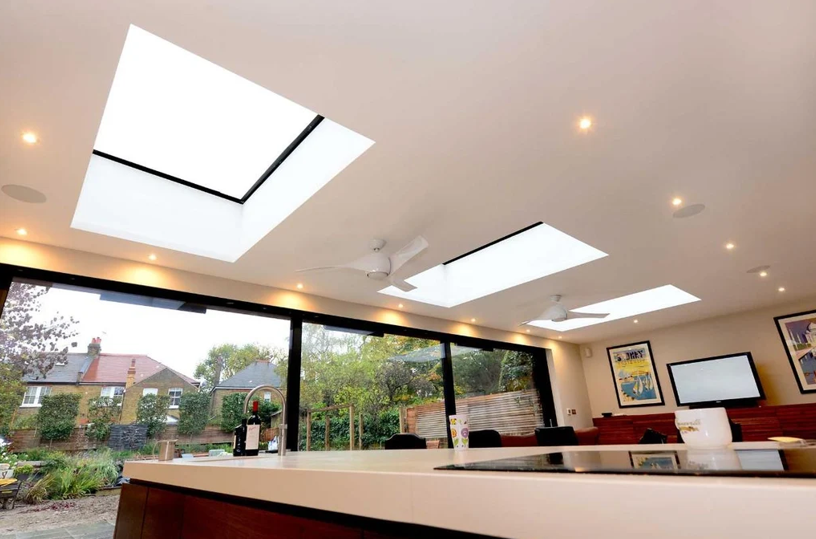
The effect depends on several factors, including the roof’s orientation, surrounding buildings, glazing dimensions, and the position of the installation. A rooflight placed above a kitchen island, dining table, or central living area can also create a natural focal point.
Different Rooflight Designs for Contemporary Properties
Rooflights are available in several designs, each serving different architectural and practical requirements. The choice depends on the available roof space, desired appearance, room function, and installation conditions.
Fixed rooflights are designed primarily to provide daylight. They have no opening mechanism and are often selected for rooms where additional ventilation is not required. Their straightforward construction can make them suitable for extensions and areas with existing ventilation arrangements.
Opening rooflights provide an additional function. Depending on the design, they can be operated manually or electronically to release warm air and improve airflow. They may be particularly useful in kitchens and upper-floor living spaces where heat can accumulate.
Flat glass rooflights generally offer a clean, understated appearance. Their glazing sits relatively close to the roofline, making them suitable for contemporary properties with simple architectural detailing.
Lantern rooflights have a raised structure, often featuring multiple glazed sections. They introduce daylight from different angles and can create a more prominent architectural feature above larger rooms or extensions.
The Glass and Frame Make a Difference
The appearance of a rooflight is only one consideration. The glazing and frame materials influence insulation, durability, maintenance, and overall performance.
Double-glazed units contain two panes of glass separated by an insulating cavity. Triple glazing uses three panes and may provide improved thermal performance, depending on the complete unit’s specifications. The appropriate option depends on the building’s insulation requirements, climate, and budget.
Low-emissivity coatings can help reduce heat transfer through glazing. Some units also use solar-control glass to limit excessive solar gain, which may be useful in rooms receiving strong direct sunlight.
Frame materials deserve similar attention. Aluminium frames are often chosen for their slim profiles and modern appearance. Other frame systems may offer different insulation, maintenance, and design characteristics.
Homeowners should compare the complete rooflight specification rather than judging performance by glass thickness alone. The frame, seals, glazing construction, and installation details all contribute to the finished result.
Where Should You Position a Rooflight?
Placement affects both the amount and distribution of daylight. A rooflight positioned directly above a frequently used area can provide useful illumination while establishing a clear visual connection with the sky.
In kitchens, roof glazing can brighten preparation surfaces and dining areas. In bathrooms, it can provide daylight without taking up valuable wall space, although privacy and appropriate ventilation require consideration.
Living rooms and extensions can benefit from larger glazed sections that bring daylight into the centre of the space. Narrower rooflights may work well in corridors, stairwells, and transitional areas where a larger installation is unnecessary.
Orientation also influences performance. South-facing glazing may receive stronger direct sunlight, while north-facing installations generally provide more consistent but less intense daylight. Nearby trees, walls, and taller buildings can create additional shading.
Before deciding on dimensions, consider furniture placement, internal ceiling height, structural supports, and the direction of natural light throughout the day.
What Homeowners Should Know About Installation
Installing a rooflight involves more than creating an opening and fitting a glazed unit. The existing roof structure must be assessed to determine whether it can accommodate the proposed dimensions and weight.
A qualified installer or structural professional can assess the joists, rafters, supporting structure, and any reinforcement required. Altering structural elements without proper assessment can affect the building’s stability.
Weatherproofing is another essential part of the installation. The rooflight must be compatible with the existing roofing material, and the correct flashing system should be used to direct rainwater away from the opening.
Proper insulation around the frame helps reduce unwanted heat transfer. Poor detailing can create cold spots and condensation, particularly where the rooflight meets the surrounding roof construction.
The installer should also consider drainage falls, manufacturer specifications, roof membrane compatibility, and access for future maintenance.
Choosing a Supplier with the Right Product Information
Product specifications make it easier to compare rooflight options without relying solely on appearance or promotional descriptions. Homeowners should look for clear information about glazing performance, frame construction, dimensions, opening mechanisms, weather resistance, and installation requirements.
Skylights Rooflight is a brand name homeowners may encounter while researching roof glazing options. Reviewing the available product specifications and understanding how individual designs suit different roof structures can help narrow down the choices.
Ask suppliers about applicable thermal performance figures, safety glazing standards, warranties, and replacement components. Information about cleaning access and maintenance requirements is also useful, particularly for rooflights installed above high ceilings or difficult-to-reach spaces.
A supplier should be able to explain the differences between fixed, opening, flat glass, and lantern designs so that the selected product matches the building’s requirements.
Maintenance That Helps Preserve Performance
Rooflights require occasional inspection and cleaning to maintain their appearance and functionality. Dust, leaves, bird deposits, and other debris can accumulate on external glazing and reduce the amount of daylight entering a room.
The frequency of cleaning depends on the property’s surroundings. Homes near trees or busy roads may need more frequent attention than properties in relatively clean, open locations.
Check seals, flashing, drainage channels, and visible frame components periodically. Opening systems may also require inspection of hinges, motors, and operating mechanisms according to the manufacturer’s maintenance guidance.
Avoid using abrasive cleaning products or equipment that could damage glass coatings, seals, or frame finishes. Always follow the manufacturer’s cleaning instructions and use appropriate professional assistance for roof-level access.
Give Your Flat-Roof Space a Brighter Outlook
A carefully selected rooflight can change how an extension or enclosed room feels, providing daylight where conventional windows may be impractical. The right design depends on the building structure, room dimensions, glazing performance, and intended use of the space. Before committing to a product, compare specifications and discuss installation requirements with an experienced professional. Contact us to discuss your roof glazing requirements and explore suitable options for bringing more natural light into your property.