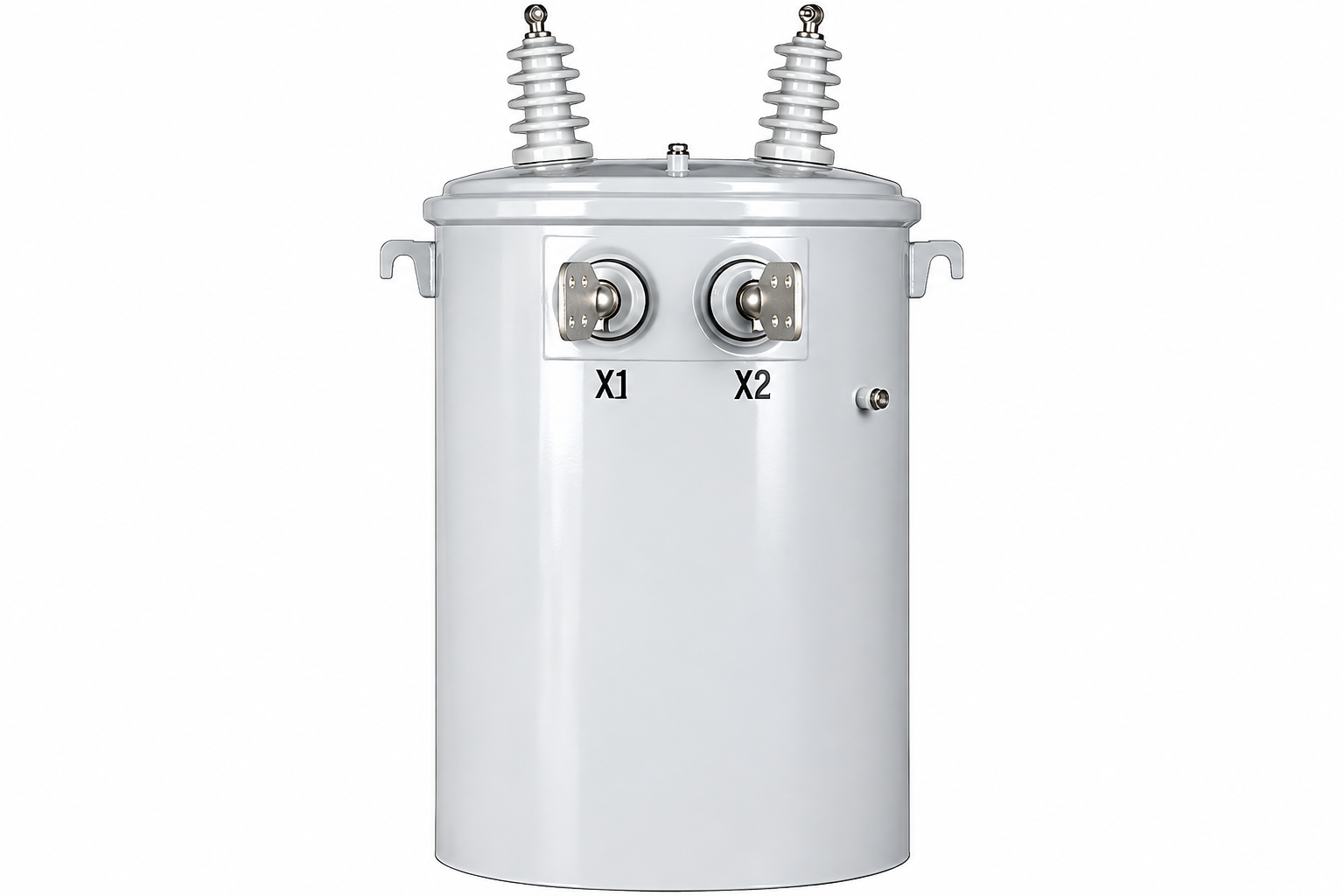

Electricity distribution depends on equipment that can safely reduce voltage and deliver power to homes, businesses, farms, and industrial facilities. One essential component in this process is the electric pole transformer, which helps convert high-voltage electricity from distribution lines into a lower voltage suitable for end users. Its installation, capacity, insulation, and maintenance all influence the reliability of a local power supply. Understanding its operation and technical requirements helps utility providers, contractors, and property developers make informed decisions about electrical distribution infrastructure.
What Is an Electric Pole Transformer?
An electric pole transformer is an electrical device installed on a utility pole to reduce the voltage of electricity before it reaches consumers. Power stations generate electricity at high voltages, and transmission networks carry it over long distances to minimise energy losses. Before electricity enters residential or commercial properties, distribution transformers lower the voltage to a usable level.
These transformers are commonly found along roadside power networks, in rural areas, and in locations where underground electrical infrastructure is impractical or expensive.
Most pole-mounted units use oil-immersed construction, although dry-type and other specialised designs are available for particular applications. Their main components include:
- Core: Provides a magnetic path for transferring electrical energy.
- Windings: Primary and secondary coils that facilitate voltage conversion.
- Transformer oil: Provides insulation and helps dissipate heat in oil-filled models.
- Bushings: Insulated connections for incoming and outgoing electrical conductors.
- Tank: Houses the core, windings, and insulating medium.
- Protective devices: Help manage electrical faults, overloads, and abnormal operating conditions.
The equipment is selected according to the electrical load, distribution voltage, environmental conditions, and applicable utility standards.
How Does a Pole-Mounted Transformer Work?
The operating principle is based on electromagnetic induction. When alternating current flows through the primary winding, it creates a changing magnetic field within the transformer core. This magnetic field induces voltage in the secondary winding.
The voltage conversion depends on the ratio between the number of turns in the two windings.
For example, a transformer connected to a medium-voltage distribution line can reduce the incoming voltage to a level suitable for residential or commercial consumption. The exact input and output ratings depend on the local electricity distribution system.
The process involves several stages:
- Receiving electricity: The primary winding receives high-voltage electricity from the overhead distribution network.
- Magnetic induction: The transformer core transfers magnetic energy between the primary and secondary windings.
- Voltage reduction: The secondary winding delivers electricity at a lower voltage.
- Power distribution: The reduced-voltage supply travels through service conductors to connected buildings or facilities.
Proper protection is necessary because short circuits, lightning strikes, and excessive electrical loads can damage transformer components or interrupt supply.
Different Types of Pole-Mounted Transformers
Distribution requirements vary between locations. A residential neighbourhood may need a different transformer arrangement from a commercial facility or agricultural installation.
Single-Phase Transformers
Single-phase transformers are widely used in residential distribution networks and areas with relatively modest electricity demand. They generally supply single-phase loads and are commonly installed on utility poles serving individual properties or small groups of consumers.
Their compact construction makes them suitable for locations where space and installation costs are important considerations.
Three-Phase Transformers
Three-phase units support larger electrical loads and are commonly used for commercial buildings, industrial facilities, agricultural operations, and other applications requiring three-phase power.
They provide a balanced electrical supply for equipment such as motors, pumps, compressors, and industrial machinery.
Oil-Immersed Transformers
Oil-immersed designs use insulating liquid to provide electrical insulation and transfer heat away from internal components. They are commonly used in outdoor distribution networks because their construction can withstand demanding operating conditions when properly maintained.
Dry-Type Transformers
Dry-type transformers use air or solid insulation rather than insulating oil. They are more commonly associated with indoor electrical installations, although specialised designs may suit certain outdoor applications.
Where Are Pole-Mounted Transformers Used?
Overhead electrical distribution remains a practical choice in many locations because it can be installed without extensive underground excavation.
Common applications include:
- Residential neighbourhoods: Supplying electricity to houses, apartments, and local residential developments.
- Rural communities: Providing electricity to properties spread across large geographical areas.
- Agricultural facilities: Supporting irrigation pumps, storage buildings, processing equipment, and farm operations.
- Commercial properties: Supplying electricity to shops, offices, warehouses, and other business premises.
- Industrial sites: Supporting electrical distribution where overhead networks are part of the site’s power infrastructure.
A properly selected pole mount transformer installation can help utilities distribute electricity across areas where overhead conductors offer practical access and maintenance advantages.
The suitability of an installation depends on local regulations, electrical demand, available infrastructure, and environmental conditions.
Technical Factors to Consider Before Selecting a Transformer
Choosing the correct transformer requires more than comparing power ratings. Several electrical and environmental factors influence its performance and expected service life.
1. Transformer Capacity
Capacity is generally expressed in kilovolt-amperes (kVA). The selected rating must accommodate the expected electrical demand while allowing for reasonable future load growth.
An undersized transformer may experience overheating and reduced service life. An unnecessarily large unit can increase initial investment and operating inefficiencies.
Load calculations should account for connected equipment, demand diversity, starting currents, and anticipated expansion.
2. Primary and Secondary Voltage
The primary voltage must match the distribution network, while the secondary voltage must meet the requirements of connected consumers.
Incorrect voltage specifications can create compatibility problems and potentially damage electrical equipment.
3. Insulation and Cooling
Insulation quality affects electrical safety and operating reliability. Oil-filled units require suitable insulating fluid, effective sealing, and appropriate temperature management.
Cooling arrangements should be assessed according to the expected load and ambient temperature.
4. Environmental Conditions
Outdoor installations are exposed to rain, sunlight, dust, humidity, temperature fluctuations, and sometimes corrosive conditions.
The transformer enclosure, insulation system, protective coatings, and mounting arrangements should be suitable for the installation environment.
5. Safety and Compliance
Equipment should comply with relevant national and international electrical standards. Installation must also follow utility requirements, grounding practices, electrical clearances, and approved protection arrangements.
Qualified electrical professionals should assess the site before installation.
Understanding the Difference Between Transformer Designs
A pole mounted transformer is generally designed for installation on a utility pole, while other distribution transformer designs may be installed on concrete pads, within substations, or inside dedicated electrical rooms.
The distinction affects installation methods, accessibility, protection requirements, and maintenance procedures.
A pole mounted distribution transformer is particularly useful in overhead networks because it can serve nearby consumers without requiring a separate ground-level transformer enclosure.
An overhead transformer arrangement also allows utility personnel to inspect and maintain equipment from accessible locations, provided suitable safety procedures and working clearances are maintained.
The final choice depends on network design, load requirements, available space, local regulations, and the utility provider’s preferred distribution arrangement.
Installation and Maintenance Requirements
Correct installation has a direct effect on transformer safety and performance. The supporting pole must have sufficient structural strength to carry the equipment’s weight and withstand mechanical loads from connected conductors.
Installation typically involves:
- Assessing the electrical load and selecting an appropriate transformer rating.
- Inspecting the pole, mounting hardware, and supporting infrastructure.
- Checking conductor sizes and electrical connections.
- Installing suitable lightning protection and protective devices.
- Establishing effective grounding arrangements.
- Testing electrical connections and insulation before energisation.
Maintenance should follow the manufacturer’s recommendations and the utility provider’s inspection schedule.
Routine checks may include examining bushings, inspecting external connections, checking for oil leaks, monitoring operating temperatures, and identifying unusual noise or vibration.
Oil-filled transformers may also require periodic oil testing to assess insulation quality and detect developing internal problems.
Only authorised personnel should perform inspections involving energised equipment. Appropriate isolation, protective equipment, and electrical safety procedures are essential.
Common Problems That Affect Transformer Performance
Several operating conditions can reduce transformer efficiency or lead to equipment failure.
Overloading: Continuous operation beyond the rated capacity increases heat generation and accelerates insulation deterioration.
Insulation breakdown: Ageing, moisture, contamination, and excessive temperatures can weaken insulation materials.
Loose connections: Poor electrical connections create resistance and localised heating, potentially resulting in equipment damage.
Lightning and voltage surges: Transient overvoltages can damage windings, bushings, and other internal components.
Oil leakage: Damaged seals or corrosion can reduce insulating fluid levels and compromise cooling and insulation performance.
Identifying these problems early through regular inspections and suitable electrical testing can reduce unexpected outages and repair costs.
Making the Right Choice for Reliable Power Distribution
Transformer selection should be based on electrical demand, network compatibility, installation conditions, safety requirements, and long-term operating costs. A properly specified unit can support stable electricity distribution while reducing avoidable maintenance issues.
Utility providers, electrical contractors, and infrastructure developers should work with qualified manufacturers and installation professionals to assess technical specifications before purchasing equipment. Careful planning, appropriate protection, and scheduled maintenance help keep distribution networks operating safely and reliably over their intended service life.