ByJohn A
Lightweight Structural Materials for Demanding Engineering Applications
Modern engineering increasingly focuses on materials that can provide strength and durability without adding unnecessary weight. This is particularly important in aerospace, transportation, marine, construction, and industrial applications, where every component can influence overall performance.
Honeycomb structures have become an important part of this approach because their cellular design can provide useful structural properties while keeping weight relatively low. Among the available options, aramid-based honeycomb materials are valued for applications that require a combination of low weight, stiffness, and resistance to demanding environments.
Understanding Honeycomb Structures
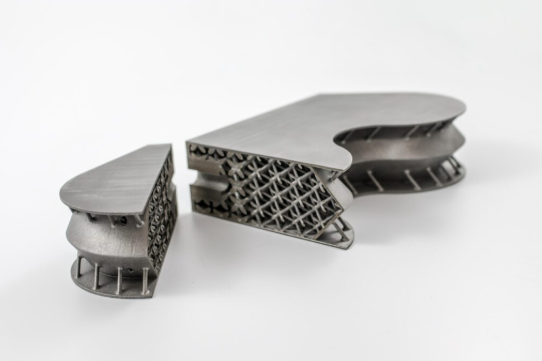
A honeycomb structure consists of numerous interconnected cells arranged in a repeating pattern. The design uses geometry to provide structural support while reducing the amount of solid material required.
This principle makes honeycomb materials useful in sandwich panels, where a lightweight core is positioned between stronger outer skins.
The skins carry much of the surface loading, while the core helps maintain separation between them and contributes to the overall stiffness of the panel.
See also: How To Find A Modern Condo That Matches Your Lifestyle And Budget
Why Weight Matters in Engineering
Reducing unnecessary weight can be important across many industries.
In aircraft and other transportation systems, lighter components can contribute to improved efficiency. In marine applications, weight reduction can influence overall vessel performance. In industrial equipment, lightweight panels can make handling and installation easier.
The objective is not simply to use the lightest material available. Engineers need to balance weight with structural requirements, environmental conditions, manufacturing methods, and expected service life.
The Role of Aramid Materials
Aramid is a high-performance synthetic fibre known for its combination of strength and low weight.
When used in a honeycomb configuration, aramid-based materials can provide a lightweight cellular core suitable for composite sandwich construction.
The material is particularly relevant where designers need to reduce mass while maintaining useful structural characteristics.
However, the exact performance of a finished panel depends on the core, face sheets, adhesives, dimensions, manufacturing process, and loading conditions.
What Is a Sandwich Panel?
A sandwich panel normally consists of three main elements: two outer skins and a lightweight central core.
The skins provide surface strength, while the core helps maintain the distance between them. This separation can increase the panel’s resistance to bending without requiring a completely solid structure.
Such construction is widely used when designers want to achieve an effective balance between weight and structural performance.
Aerospace Applications
Aerospace engineering places significant emphasis on weight, structural efficiency, and material performance.
Honeycomb cores can be incorporated into interior panels, doors, flooring systems, partitions, and other composite structures where lightweight construction is valuable.
In such environments, material selection also involves considerations such as temperature, fire behaviour, moisture exposure, manufacturing requirements, and applicable industry standards.
Each application therefore requires appropriate engineering evaluation rather than relying on material type alone.
Marine and Transportation Uses
Marine structures can also benefit from lightweight composite construction.
Panels used in vessel interiors, partitions, decks, and other components may incorporate honeycomb cores to achieve structural functionality without excessive mass.
Similar principles apply to certain transportation applications, where lighter interior or structural components can support efficient vehicle design.
The appropriate material depends on the expected loads and environmental conditions.
Strength-to-Weight Considerations
One of the major advantages of cellular structures is their ability to provide useful mechanical performance relative to their weight.
The geometry of the cells distributes loads through the structure, while the surrounding skins contribute to panel stiffness.
Engineers should evaluate properties such as compressive strength, shear strength, stiffness, density, and impact behaviour according to the requirements of the finished component.
These measurements provide a more meaningful basis for material selection than weight alone.
Moisture and Environmental Conditions
Environmental exposure should always be considered when selecting composite materials.
Depending on the application, panels may encounter humidity, water, temperature changes, chemicals, or other environmental factors.
The core material, adhesive system, face sheets, and manufacturing process must work together to provide the required performance.
Proper sealing and fabrication can also be important in protecting the internal structure from unwanted environmental exposure.
Manufacturing Quality Matters
Even a suitable material can perform poorly if the finished panel is manufactured incorrectly.
Core cutting, bonding, alignment, adhesive application, curing, and finishing all influence the quality of a composite sandwich structure.
Consistent manufacturing processes can help maintain the intended geometry and reduce defects.
For demanding applications, manufacturers may also carry out inspections and testing to verify that components meet specified requirements.
Choosing the Right Core Specification
Not every project requires the same honeycomb configuration.
Factors such as cell size, density, thickness, orientation, and panel dimensions can influence performance.
Engineers should consider the intended loading conditions and final panel design before selecting a particular specification.
Providing accurate drawings and application information to the manufacturer can help ensure that the selected material is appropriate for the intended construction.
Combining the Core With Face Materials
The performance of a sandwich panel depends on the interaction between the core and its outer skins.
Different face materials can be combined with honeycomb cores depending on the application’s requirements. Composite laminates, metals, and other engineered skins may be considered.
The adhesive layer connecting these elements is also important because it transfers forces between the skins and core.
A complete panel should therefore be treated as an engineered system rather than a collection of independent materials.
Benefits of Custom Solutions
Industrial projects often involve unusual dimensions or specific performance requirements.
Custom-manufactured components can help accommodate particular panel sizes, thicknesses, cell configurations, or production requirements.
Customisation may also simplify integration into existing equipment or structures.
Before production begins, technical specifications should be reviewed carefully to confirm dimensions, materials, tolerances, and intended application conditions.
Maintenance and Inspection
Composite panels generally benefit from routine inspection appropriate to their environment.
Visible damage, delamination, moisture intrusion, impact marks, or changes in surface condition may require further assessment.
Inspection procedures should reflect the importance of the component and the operating environment.
Early identification of damage can help determine whether repair or replacement is necessary before a problem becomes more extensive.
Selecting a Reliable Supplier
When sourcing advanced core materials, buyers should consider manufacturing capability, consistency, technical support, product specifications, and quality assurance.
A supplier should be able to provide clear information about the available material and its intended applications.
For businesses exploring aramid-based cellular materials, the Nomex honeycomb core range can be considered alongside the engineering requirements of the final composite structure.
Common Questions
1. What is a honeycomb core used for?
A honeycomb core is commonly used inside sandwich panels to provide lightweight structural support and help maintain separation between the outer skins.
2. Why are aramid honeycomb materials used?
Aramid-based honeycomb materials can offer a useful combination of low weight and structural performance, making them suitable for various engineered composite applications.
3. How should an appropriate core material be selected?
Selection should consider factors such as required strength, stiffness, density, thickness, cell configuration, environmental exposure, face materials, manufacturing method, and the intended application.
Conclusion
Lightweight structural design has become increasingly important as industries seek materials that combine efficient performance with reduced mass. Honeycomb construction provides a practical way to achieve this balance by using a cellular core within a composite sandwich structure.
Aramid-based cores can be valuable in applications where weight, structural characteristics, and material performance need to be considered together. However, successful results depend on appropriate specification, compatible face materials, quality bonding, accurate manufacturing, and application-specific engineering.
By evaluating the complete panel design rather than focusing on one material characteristic, manufacturers and engineers can develop lightweight structures suited to demanding industrial requirements.