ByJohn A
Maximizing Safety and Stability with Outrigger Pads: Key Benefits for Your Ground Support
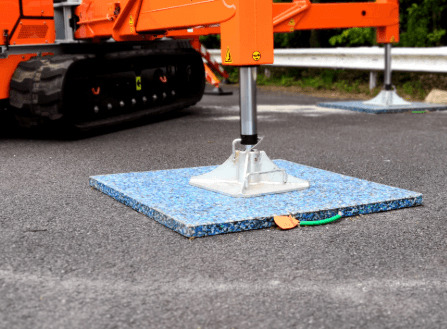
Outrigger pads are essential components in ensuring the safety and stability of heavy machinery, particularly cranes and other lifting equipment. These pads distribute the weight of the machinery over a larger surface area, reducing ground pressure and preventing machinery from sinking or tipping. Ground Nurse provides a thorough selection of outrigger pads designed to improve ground support in various environments, highlighting their importance in construction and industrial settings.
Understanding the Purpose of Outrigger Pads
Outrigger pads serve as critical ground support accessories placed beneath the outriggers of cranes, aerial platforms, and other heavy machinery. Their primary function is to stabilise the load by spreading the weight evenly over a broader area, especially when operating on soft or uneven ground. This distribution prevents the machinery from sinking into the ground and maintains the equipment’s balance during operations.
Using outrigger pads is vital in preventing accidents related to machinery instability, such as tipping or collapsing. The benefits extend beyond safety, improving operational efficiency and protecting the ground surface from damage.
Key Benefits of Using Outrigger Pads
1. Enhancing Equipment Stability
One of the most significant advantages of outrigger pads is their ability to enhance the stability of heavy equipment. By increasing the footprint of the outriggers, they reduce the pressure exerted on the ground. This is particularly crucial when operating on soft, muddy, or uneven terrain where standard outriggers could sink or shift.
2. Preventing Ground Damage
Outrigger pads act as protective barriers that distribute the machinery’s weight. This reduces the risk of ground indentation, rutting, or other surface damage that can result from concentrated loads. Preserving the integrity of the worksite surface is essential for maintaining safe working conditions and avoiding additional repair costs.
3. Enhancing Safety Compliance
With stringent safety standards governing the use of heavy machinery, employing outrigger pads is often a regulatory requirement. Their use helps companies comply with safety regulations by ensuring equipment remains stable and secure during operations. This compliance not only protects workers but also helps avoid legal repercussions arising from accidents or equipment failure.
4. Increasing Equipment Longevity
By providing stable ground support, outrigger pads reduce undue stress on machinery components such as hydraulic systems and structural parts. This minimises wear and tear, potentially extending the operational lifespan of the equipment.
5. Versatility in Various Environments
Outrigger pads are designed to function effectively on a range of surfaces, including concrete, asphalt, earth, and grass. This versatility makes them indispensable for different construction sites and industrial settings, regardless of ground conditions.
Materials and Design Considerations for Outrigger Pads
The effectiveness of outrigger pads depends greatly on their materials and design. Common materials include high-density polyethylene (HDPE), rubber, and laminated timber composites. These materials offer durability, weather resistance, and sufficient strength to support heavy loads.
Design features such as non-slip surfaces, interlocking mechanisms, and stackability can also enhance the practical use of outrigger pads. Selecting appropriately sized and rated pads according to the machinery and ground conditions is essential to maximise safety benefits.
Choosing the Right Outrigger Pads
Selecting suitable outrigger pads involves assessing factors such as the weight of the equipment, ground type, and anticipated load distribution requirements. Products like those available from Ground Nurse are tailored to meet diverse operational needs with a range of sizes and load ratings.
Consulting with supplier experts can assist in identifying the correct outrigger pads for specific applications, ensuring compliance with safety standards and operational efficiency.
Installation and Usage Best Practices
Proper installation of outrigger pads is critical to their effectiveness. Pads should be placed on level, firm ground, ensuring full contact with the outrigger base and the ground surface. Monitoring conditions during operation is necessary to identify any ground movement or instability promptly.
Regular inspection and maintenance of the pads themselves, including checking for cracks or wear, help sustain their performance over time.
See also: Top Corporate Training Companies in UAE for Business Excellence
Conclusion
Outrigger pads represent a vital investment in the safety and stability of heavy machinery operations. Their role in distributing loads, protecting ground surfaces, and supporting compliance with safety regulations is indispensable. Ground Nurse offers a wide range of high-quality outrigger pads designed to meet the rigorous demands of ground support in various environments.
Choosing and correctly utilising these pads maximises operational stability and safety, ultimately protecting both personnel and equipment in demanding industrial and construction settings.