ByJohn A
Small Bedroom Storage Changes That Make Mornings Easier
A bedroom can look tidy at the start of the week and feel cluttered again by Thursday. Charging cables creep across the bedside table, books gather beside the lamp and everyday clothes end up on the nearest chair. The solution is rarely to add as much furniture as possible. What helps is a small number of storage decisions made around actual habits: where you put your glasses, how you get ready and what you need to reach without leaving the bed. Bedside cabinets are particularly important because they sit where many daily routines begin and end. Chosen carefully, they can provide calm, convenient storage without making a modest bedroom feel overfurnished.
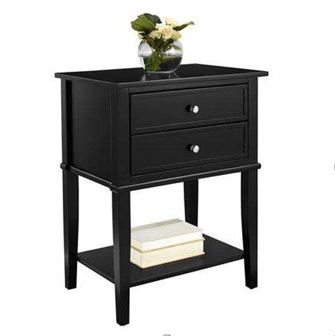
PRODUCT PHOTO | A bedside cabinet with two enclosed drawers and an open lower shelf.
Edit the Bedside Surface Before Buying Anything
Start by removing everything from the bedside table and sorting it into three groups: items needed nightly, items used occasionally and objects that belong elsewhere. A lamp, glass of water, alarm clock and current book may justify staying within easy reach. Spare chargers, old receipts and a collection of half-read magazines usually do not. This simple exercise identifies whether you need a drawer, an open shelf or merely a better arrangement of what is already there.
Keep the top surface clear enough to place a drink safely without balancing it on books. A small tray can gather tiny items such as lip balm or jewellery, while a cable clip prevents a phone lead from falling behind the furniture. Bedside storage works best when returning an item takes only a moment. If the space is difficult to use, clutter will simply move to the floor.
See also: How To Find A Modern Condo That Matches Your Lifestyle And Budget
Get the Height and Width Right
Measure from the floor to the top of the mattress, then compare that with the proposed cabinet height. A surface close to mattress level is often convenient for reaching a lamp or phone without twisting awkwardly, although the ideal height depends on the bed frame and the person using it. Check the full width of the space between the bed and nearby walls or wardrobes. Leave room to open drawers properly and avoid blocking a bedroom door or radiator.
If the bed occupies most of the room, two small cabinets may feel lighter than two bulky chests. Equally, there is no rule that both sides must match: one side might have space for drawers while the other can accommodate only a narrow shelf. Sketching the arrangement to scale helps reveal whether a cabinet will look proportionate and remain easy to use after a duvet hangs over the mattress edge.
PRODUCT PHOTOS | A slim white unit and a darker timber-style cabinet offer different bedside storage layouts.
Choose Drawers for Objects You Prefer to Hide
Drawer storage is ideal for the untidy mix of essentials that does not belong on display. When comparing modern bedside cabinets, think about drawer depth and ease of access rather than treating the number of drawers as the only measure of usefulness. A shallow upper drawer is good for glasses cases and hand cream; a deeper lower space may hold books or a spare charging cable. One oversized drawer can become a jumble without internal dividers.
Small boxes or removable organisers can separate practical items from keepsakes. Avoid filling drawers so tightly that they snag or become difficult to close. Consider handles too: prominent knobs can catch clothing in a narrow gap, while recessed pulls may be easier to live with. A cabinet with open space underneath can appear less heavy, but its contents will remain visible and need regular attention.
Position Lighting to Preserve the Bedside Space
Lighting and storage should be planned together. A table lamp takes up valuable surface area, especially on a narrow cabinet. A wall light or an adjustable reading light can free space, provided its mounting and wiring are appropriate and the switch is easy to reach. Think about the direction of the light: a focused reading beam may suit one partner without illuminating the whole room, while gentle ambient light helps when moving around at night.
Plan for power sockets before the cabinet is in place. A plug trapped behind a heavy unit or a cable stretched across a walkway is inconvenient and potentially unsafe. If you use several devices, decide which really need charging beside the bed. A charging station elsewhere in the room can reduce visual clutter and interruptions. Keep water and electronics sensibly separated, and avoid covering sockets or adaptors with fabrics.
Spread Storage Around the Room, Not Just the Bed
In shared bedrooms, agree which items should be stored centrally and which should have a clear place on each side of the bed. Two people may need different amounts of drawer space, particularly if one reads at night and the other uses only a phone and glasses. Allowing the cabinets to differ in size or configuration can be more practical than forcing symmetry at the expense of everyday use. A repeated lamp finish or matching bedside colour is usually enough to keep the arrangement visually connected.
Not everything belongs in bedside furniture. A shallow chest can accommodate folded clothes; under-bed boxes may suit seasonal textiles if the bed frame allows; hooks behind a door can catch dressing gowns without taking floor space. Use vertical storage cautiously, making sure wall-mounted items are fixed appropriately and nothing heavy is placed where it could fall onto someone sleeping. Closed storage is often more restful to look at than rows of exposed possessions.
Make it a habit to return clothes and books to their proper location each evening. If clutter repeatedly gathers in the same place, that is useful information about the room’s layout. Add storage where the object is naturally used, rather than expecting everyone to cross the room to put it away. Small practical changes usually outlast a dramatic weekend clear-out.
Make Calm the Result of Better Systems
A restful bedroom does not need perfectly empty surfaces. It needs the right things within easy reach and the rest stored without fuss. Choose cabinet sizes by the room’s clearances, organise drawers around real routines and coordinate lighting with storage. When the furniture makes everyday actions easier, the room tends to look calmer as a consequence.