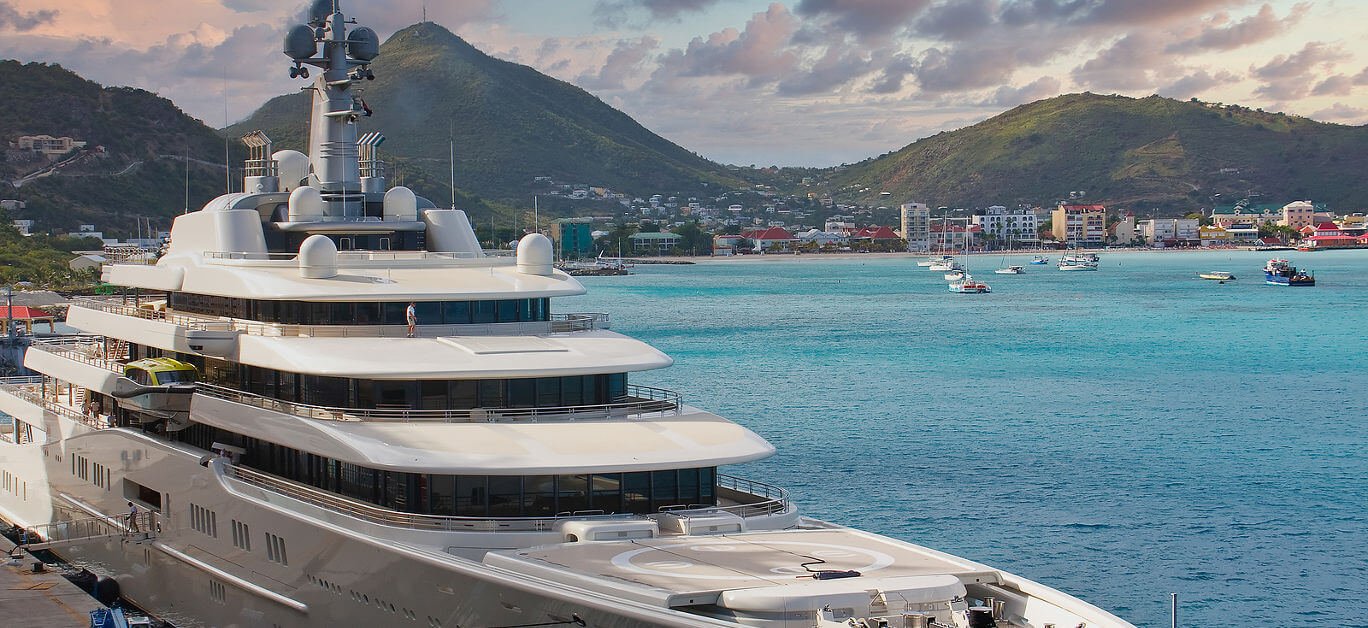

A large private yacht can offer extensive accommodation, long-range cruising possibilities and space for entertaining. It can also involve a more complex ownership structure than a smaller recreational vessel.
Buyers considering this category should evaluate not only the yacht’s appearance and facilities but also its technical systems, crew requirements, operating costs and regulatory responsibilities.
Defining the Purpose of a Large Yacht
Before exploring available vessels, consider how the yacht will be used. Some owners prioritise extended private cruising, while others focus on entertaining guests or travelling between established destinations.
The intended use affects the type of vessel, accommodation layout, range and onboard facilities required.
Questions worth considering include:
- How many guests should the yacht accommodate?
- Will it be used for short trips or longer voyages?
- Is professional crew support required?
- Which regions will it operate in?
- What level of onboard privacy and service is expected?
A clear purpose makes it easier to identify suitable options and avoid paying for facilities that may rarely be used.
Understanding Yacht Size and Design
Larger yachts can vary significantly in layout and design. Some focus on spacious interior living areas, while others prioritise outdoor decks, water access or long-distance capability.
The vessel’s length is only one part of the assessment. Beam, draft, displacement and internal configuration can influence comfort, handling and access to different marinas.
Buyers should also consider how the yacht’s design fits the locations where it will operate. Draft limitations, berth availability and local conditions may affect practical use.
Assessing Onboard Facilities
Large yachts may include multiple cabins, dining spaces, entertainment areas, kitchens, storage rooms and specialised equipment. Some vessels also provide spaces for tenders and water-based activities.
When assessing these features, consider how they support the owner’s actual plans. A large guest capacity may be useful for entertaining, but it can also increase staffing, cleaning and provisioning requirements.
The quality and condition of onboard systems are just as important as the visible design. Climate control, electrical systems, navigation equipment and communications technology should be assessed by appropriate specialists.
Crew and Operational Requirements
A large yacht may require a professional crew to operate and maintain it safely. Roles can include captain, engineering staff, deck crew, hospitality personnel and other specialists depending on the vessel.
Crew arrangements introduce additional responsibilities, including recruitment, training, contracts, scheduling and welfare. Owners should understand these obligations before purchasing.
Even when a management company is involved, the owner should remain clear about who is responsible for operational decisions and compliance.
Understanding the Total Financial Commitment
The purchase price is only the beginning of the financial picture. Larger vessels can involve substantial costs for:
- Crew salaries and related expenses
- Fuel and utilities
- Marina and berthing arrangements
- Insurance
- Planned maintenance
- Unexpected repairs
- Technical inspections and upgrades
- Registration and regulatory compliance
Costs vary significantly according to the yacht and where it operates. Buyers should obtain vessel-specific estimates and avoid relying on generic ownership-cost assumptions.
A financial plan should include reserves for major maintenance and unexpected technical issues.
Technical Surveys and Documentation
A comprehensive inspection is particularly important for a large yacht. The survey may involve structural assessment, machinery checks, electrical systems, safety equipment and other specialised components.
Buyers should review maintenance records, refit history, equipment documentation and available ownership information.
For complex vessels, several specialists may need to contribute to the inspection. Legal, technical and financial advice can help identify issues that a general viewing would not reveal.
Finding a Suitable Purchase Opportunity
The market for larger yachts can involve a wide range of vessel types, ages and configurations. Comparing listings requires attention to condition, specifications, operating history and intended use.
Those considering a buy superyacht search can review available purchase information and identify potential options for further assessment.
A yacht broker may help organise viewings, explain market information and coordinate negotiations. Independent surveyors and legal advisers should also be considered as part of the purchase process.
Planning for Long-Term Ownership
Long-term ownership involves decisions about maintenance schedules, crew management, storage, cruising plans and eventual resale. These responsibilities should be considered before the purchase rather than after delivery.
Owners may choose to manage these matters directly or appoint a professional yacht management provider. The appropriate arrangement depends on the vessel’s complexity and the owner’s availability.
It is also useful to understand where the yacht will be based and whether technical support is accessible when required.
FAQs
1. Does a large yacht always require a professional crew?
Not every vessel has identical requirements, but larger and more complex yachts commonly need qualified personnel for safe operation and maintenance. Requirements depend on the yacht and applicable regulations.
2. What inspections should take place before buying a superyacht?
A comprehensive survey may cover structure, machinery, electrical systems, safety equipment and other specialised areas. The scope should be determined with qualified marine surveyors.
3. Are operating costs predictable?
Some costs can be estimated, such as regular maintenance and berthing, but unexpected repairs and changes in fuel or service expenses can affect the budget. A contingency reserve is important.
Conclusion
Purchasing a large private yacht requires careful consideration of lifestyle goals, technical condition, crew arrangements and long-term costs. A structured buying process supported by experienced marine, legal and financial professionals can help buyers assess opportunities realistically. The most suitable yacht is one that meets practical needs as well as personal expectations.