
Choosing the right golf footwear is an important part of preparing for a comfortable and confident round. Golf involves more than swinging a club. Players spend hours walking across different surfaces, maintaining balance, shifting their weight, and making controlled movements. The right pair of shoes can support these activities while helping reduce discomfort and improve stability throughout the game.
When exploring women’s golf shoes, it is important to consider factors such as fit, traction, cushioning, flexibility, and weather protection. Different designs offer different advantages, so understanding their features can help you select footwear that suits your playing style and course conditions.
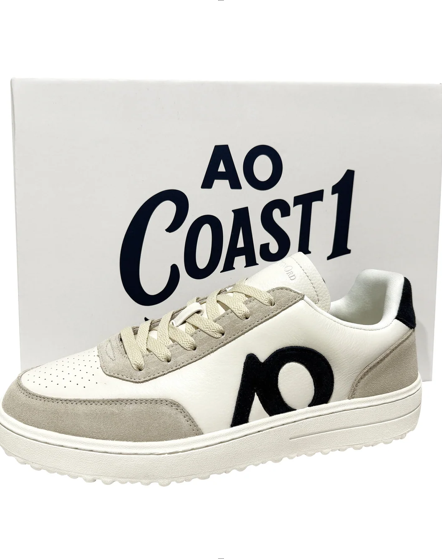
Golf shoes are also an important part of a functional golf wardrobe. They should provide the support needed for the game while complementing your overall appearance. AndersonOrd offers golf and lifestyle apparel for players who value a balance of style and functionality. Understanding what to look for in golf footwear can help you make a more informed purchasing decision.
Why Are Women’s Golf Shoes Important?
Golf shoes are designed to support the physical movements involved in playing golf. Unlike ordinary casual footwear, they are developed with features that help players maintain grip, balance, and comfort across the course. The right design can make walking and swinging more comfortable while providing support during different stages of a round.
Supporting Balance During the Golf Swing
Balance plays an important role in developing a consistent golf swing. During a swing, the body shifts weight between the feet while the player rotates the hips and upper body. Footwear with a stable base can help support these movements and reduce unnecessary foot movement.
A well-constructed outsole provides a foundation for maintaining balance during the backswing, downswing, and follow-through. The level of support needed may depend on individual swing mechanics, playing style, and personal comfort preferences.
Improving Traction on Different Surfaces
Golf courses feature several types of terrain, including grass, slopes, damp areas, and firm pathways. Shoes with suitable traction help provide grip when moving across these surfaces.
Outsole patterns, rubber compounds, and spike configurations influence how footwear interacts with the ground. Appropriate traction can help reduce slipping and support controlled movement during the swing.
See also: Enhancing Quality of Life with Professional Support at Home
Providing Comfort During Long Rounds
A typical golf round involves extended periods of walking and standing. Poorly fitted footwear can contribute to pressure, friction, and foot fatigue.
Golf shoes with suitable cushioning, breathable materials, and supportive construction can improve comfort over longer periods. Choosing footwear that accommodates your foot shape is especially important when playing regularly.
Helping Maintain Stability While Walking
Walking across a golf course requires footwear that can adapt to changing ground conditions. Stable shoes help support the feet while moving across grass, slopes, and uneven surfaces.
A supportive heel structure and properly designed outsole can help improve the feeling of security with each step. This makes stability an important consideration beyond the golf swing itself.
What Types of Women’s Golf Shoes Are Available?
Golf footwear comes in several styles, each offering a different combination of grip, comfort, and versatility. Understanding the main types can help narrow your choices according to how frequently you play, the conditions you usually encounter, and your preferred footwear style.
Spiked Golf Shoes for Grip and Stability
Spiked golf shoes feature specialised traction elements on the outsole. These may be removable or integrated into the shoe, depending on the design. Their primary purpose is to provide grip when playing on grass and other surfaces where additional traction is useful.
Spiked designs are often considered by players who prioritise stability during their swings, particularly on damp or softer ground. However, the overall comfort and performance of a pair also depend on its fit, cushioning, and construction.
Spikeless Golf Shoes for Versatility
Spikeless golf shoes use patterned rubber outsoles or other traction designs instead of traditional spikes. Their appearance can be similar to athletic or casual footwear, making them a versatile option.
Many players appreciate spikeless designs because they can feel comfortable while walking and may be easier to wear away from the course, depending on the shoe’s construction. Their grip performance varies according to the outsole pattern and ground conditions.
Lightweight Golf Shoes for Walking Comfort
Lightweight golf shoes are designed to reduce unnecessary weight while supporting natural movement. They can be a suitable choice for players who spend significant time walking during their rounds.
Weight should not be the only deciding factor. A lightweight shoe still needs adequate cushioning, traction, and support. Look for a design that feels comfortable without compromising the stability required for golf.
How to Choose the Right Women’s Golf Shoe Fit
Fit is one of the most important factors when selecting golf footwear. Even a shoe with advanced traction and cushioning may cause discomfort if it does not suit your foot shape. A good fit should feel secure without creating pressure around the toes, sides, or heel.
Understanding Toe Room and Foot Width
Your toes need enough space to spread naturally while walking and shifting weight. Shoes that are too narrow can create pressure, while excessively wide footwear may allow unwanted movement.
Check the width across the forefoot as well as the space at the front. Your toes should not feel compressed against the shoe, even when standing or walking.
Evaluating Heel Support
The heel should feel secure without excessive rubbing or slipping. A shoe that moves around the heel can affect comfort and create friction during extended walking.
Look for a design with a supportive heel structure and a comfortable interior lining. The shoe should hold your foot in place without feeling excessively tight.
Choosing the Right Shoe Size
Do not assume that every golf shoe will fit exactly like your regular footwear. Sizing can vary between brands, models, and construction styles.
Measure both feet when possible and use the larger foot as a reference. Try shoes while standing and walking to check whether the length and width feel appropriate. If shopping online, review the available sizing guidance before ordering.
Accounting for Socks and Playing Conditions
The socks you wear can affect how your golf shoes fit. Thick socks may require additional room, while thinner options can change how securely the footwear feels around your foot.
Consider the conditions in which you usually play. Your feet may swell slightly during prolonged activity, so avoid choosing shoes that feel tight from the beginning. Testing footwear with your intended golf socks can help you assess the fit more accurately.
What Features Should You Look for in Women’s Golf Shoes?
Beyond size and style, several construction details influence how golf shoes perform. Considering these features can help you identify footwear that suits your needs and offers a useful balance of comfort, support, and durability.
Traction and Outsole Design
The outsole determines how the shoe interacts with the ground. Spikes, rubber patterns, and strategically positioned traction elements can influence grip and stability.
Consider the surfaces you usually play on before choosing an outsole. A design intended for softer ground may offer a different experience from one developed for firm conditions.
Cushioning and Midsole Comfort
The midsole helps absorb impact and contributes to the overall comfort of a shoe. Cushioning can be particularly important when walking for several hours or standing for extended periods.
Look for footwear that provides comfortable support under the heel and forefoot. Cushioning should feel balanced rather than excessively soft, as a stable base remains important during the golf swing.
Breathable Materials
Breathable materials help support airflow inside the shoe. This can reduce the feeling of heat and moisture buildup, particularly during warm-weather rounds.
Mesh panels and breathable textile constructions are common options. However, material selection should also account for durability, protection, and the conditions in which you play.
Waterproofing and Weather Protection
Waterproof golf shoes can help protect your feet when playing on damp grass or in light rain. Some designs use waterproof membranes, treated materials, and sealed construction to limit water penetration.
Check the manufacturer’s specifications to understand the level of protection offered. Waterproof footwear may be particularly useful for players who regularly encounter wet conditions, although breathability and comfort should also be considered.
Flexibility and Foot Support
Golf shoes should allow natural foot movement while providing enough structure to support the feet. Excessively rigid footwear may feel uncomfortable during walking, while shoes with insufficient support may not provide the stability you prefer.
Pay attention to how the shoe bends around the forefoot and how securely it supports the heel and midfoot. The ideal balance depends on your foot structure and personal preferences.
Spiked vs. Spikeless Women’s Golf Shoes: Which Is Better?
The choice between spiked and spikeless footwear depends on playing conditions, comfort preferences, and the type of traction you need. Both options can be suitable for golf, but their outsole designs create different experiences on the course.
Advantages of Spiked Golf Shoes
Spiked golf shoes are designed to provide dedicated traction through strategically positioned grip elements. They can be useful when playing on soft or damp grass, where additional grip may help support a stable stance.
Their traction-focused construction makes them worth considering if maintaining a secure connection with the ground is a priority. However, the comfort and suitability of individual models still depend on their fit and overall design.
Benefits of Spikeless Golf Shoes
Spikeless designs offer versatility through patterned outsoles that provide grip without traditional spikes. They can be easier to wear on different surfaces and may offer a more casual appearance.
These shoes are often appealing to players who value walking comfort and footwear that transitions between the course and everyday activities. Their performance depends on the quality and pattern of the outsole.
Choosing Footwear Based on Course Conditions
Your regular playing environment can help determine which design is more appropriate.
- Choose spiked footwear if you frequently play on soft, wet, or slippery grass and prefer additional traction.
- Consider spikeless footwear if you usually play on relatively firm courses and want a versatile design.
- Compare outsole construction and manufacturer guidance before making a decision.
Neither style is automatically better for every golfer. The most suitable option is the one that provides the right combination of grip, comfort, and stability for your playing conditions.
How to Choose Golf Shoes for Different Playing Conditions
Course conditions can change how footwear feels and performs. Grass moisture, ground firmness, temperature, and walking distance should all influence your decision. Selecting shoes with appropriate construction can help maintain comfort throughout different playing environments.
Golf Shoes for Wet Grass
Wet grass can make walking and swinging more challenging because the ground may become slippery. Shoes with reliable traction and suitable weather protection can help provide a more secure experience.
Spiked designs may be worth considering when additional grip is needed. Waterproof construction can also help keep your feet dry, especially during rounds played in damp conditions.
Golf Shoes for Dry and Firm Courses
Firm courses may not require the same traction approach as soft or wet ground. Spikeless shoes with well-designed rubber outsoles can be a practical option for these conditions.
Consider the grip pattern, cushioning, and overall flexibility. A shoe that feels comfortable while walking and stable during the swing is generally more useful than choosing footwear based only on appearance.
Footwear for Hot Weather
Warm temperatures can increase heat and moisture inside footwear. Breathable materials, lightweight construction, and comfortable linings can help improve the experience during hot-weather rounds.
Look for shoes that allow airflow while maintaining adequate support. Pairing them with suitable moisture-managing socks may also help reduce discomfort.
Shoes for Walking Long Distances
Players who regularly walk full rounds should prioritise cushioning, fit, and overall weight. Shoes with comfortable midsoles and supportive construction can help reduce the feeling of fatigue.
Pay attention to the forefoot, heel, and arch areas. Footwear should provide enough flexibility for natural movement while maintaining a secure fit across different parts of the course.
How to Care for Women’s Golf Shoes
Proper care can help preserve the appearance, comfort, and functionality of golf footwear. Grass, soil, moisture, and repeated use can affect shoe materials and outsole performance. A consistent cleaning and storage routine can help keep your shoes in better condition.
Cleaning Shoes After Every Round
Remove loose dirt and grass after playing. Use a soft brush or clean cloth to remove debris from the upper and outsole.
For more noticeable marks, follow the manufacturer’s cleaning instructions. Avoid harsh chemicals or abrasive cleaning tools that could damage the material or affect its finish.
Drying Shoes Without Damaging Materials
Allow wet shoes to dry naturally in a well-ventilated area. Avoid placing them directly beside heaters or exposing them to excessive heat, as this may affect adhesives and materials.
Remove the insoles if the manufacturer’s care instructions allow it. You can also place absorbent paper inside the shoes to help manage moisture while they dry.
Maintaining Outsole Traction
Check the outsole regularly for trapped dirt, worn traction elements, or damaged spikes. Clean the grooves and patterns carefully so that debris does not interfere with grip.
If your shoes have replaceable spikes, inspect them for wear and replace them according to the manufacturer’s recommendations. For spikeless designs, monitor the rubber patterns for signs of deterioration.
Proper Storage for Long-Term Use
Store golf shoes in a cool, dry place away from direct sunlight and excessive humidity. Make sure they are completely dry before putting them away.
A shoe bag can help protect them from dust and accidental damage. Keeping shoes in their original shape and avoiding heavy objects on top of them can also help preserve their construction.
Frequently Asked Questions
Are spikeless golf shoes good for women?
Yes. Spikeless golf shoes can be a suitable option for women who value versatility, walking comfort, and a casual appearance. Their patterned outsoles provide traction without traditional spikes. However, grip performance depends on the outsole design and course conditions.
Should women’s golf shoes fit tightly?
Golf shoes should fit securely but should not feel tight. Your toes need enough room to move naturally, while the heel should remain comfortably supported. Avoid footwear that creates pressure around the sides or causes your foot to slide inside the shoe.
Can you walk comfortably in golf shoes all day?
Comfort depends on the shoe’s fit, cushioning, weight, and support. Golf shoes designed with comfortable midsoles and breathable materials can make extended walking easier. Choosing the correct size and wearing suitable socks can also improve comfort.
Are waterproof golf shoes worth buying?
Waterproof golf shoes can be useful if you regularly play on wet grass or in rainy conditions. They help protect your feet from moisture, although the level of protection varies between designs. Consider breathability and comfort alongside waterproof construction.
Do women’s golf shoes make a difference in performance?
Golf shoes can contribute to traction, stability, and comfort during play. These features may help support a more controlled stance and comfortable movement across the course. However, footwear alone does not guarantee improved performance, as technique, practice, and individual playing ability remain important.
Conclusion
Choosing the right golf shoes involves more than selecting an attractive design. Fit, traction, cushioning, breathability, and weather protection all influence how footwear feels and performs on the course. Spiked shoes may suit players who prioritise grip on softer surfaces, while spikeless options offer versatility and a more casual feel. Lightweight designs can also be worth considering for extended walking.
Before making a purchase, think about your foot shape, playing frequency, preferred level of support, and typical course conditions. Compare different construction features and follow sizing guidance to find footwear that feels secure and comfortable. With the right choice and consistent care, your golf shoes can remain a dependable part of your playing wardrobe. For additional information about available collections or product-related enquiries, you can contact the brand directly.